Summary
If you’re considering a hair transplant, understanding its effectiveness is key. This blog explores the real success rates of hair transplants, compares FUE and FUT methods, and provides a detailed recovery timeline. We also delve into long-term results, patient satisfaction, and the cost-benefit analysis of hair restoration. Read on for expert insights and answers to all your questions about hair transplants.

Introduction
If you’re struggling with hair loss and wondering, how effective is a hair transplant? You’re not alone. Many people are considering hair restoration options, but the question of effectiveness often remains unclear. This article will answer your questions, exploring the hair transplant success rate, how the procedure works, and what results to expect. We will provide expert-backed insights into FUE vs FUT methods, post-transplant recovery, and the long-term effectiveness of hair transplants. By the end, you’ll understand whether a hair transplant is the right choice for you.
Understanding the Effectiveness of Hair Transplants
What Does a Hair Transplant Do?
A hair transplant is a surgical procedure that moves hair follicles from one part of your body to the thinning or balding areas on your scalp. The goal is to restore natural hair growth in these areas, offering a permanent solution to hair loss. There are two main types of hair transplant procedures: FUE (Follicular Unit Extraction) and FUT (Follicular Unit Transplantation), both of which are highly effective in their own right.
Hair Transplant Success Rate
Hair transplant success rates are generally high. When performed by an experienced surgeon, the success rate can be as high as 90–95%. The results depend on various factors, such as the quality of the donor hair, the technique used, and how well the patient follows post-operative care instructions. Surgeons typically assess the quality and density of the hair in the donor area, as well as the patient’s overall health, to predict the success of the transplant.
Can a Hair Transplant Reverse Hair Loss?
Yes, hair transplants can effectively reverse hair loss by providing long-lasting hair growth in areas affected by male or female pattern baldness. While a transplant doesn’t prevent further hair loss, it can restore a fuller, more youthful hairline. It is crucial to follow up with proper hair care treatments to maintain your results.
Types of Hair Transplants and Their Effectiveness
FUE vs FUT Hair Transplant Effectiveness
FUE and FUT are the two most popular hair transplant techniques. FUE involves extracting individual hair follicles from the donor area and transplanting them to the thinning areas. FUT, on the other hand, involves removing a strip of skin from the donor area and dissecting it into individual follicular units.
- FUE: FUE is minimally invasive, leaves no linear scar, and offers quicker recovery times. It’s ideal for individuals who want a less noticeable scar and quicker healing.
- FUT: FUT involves a more invasive procedure and leaves a linear scar. However, it allows for a larger number of follicles to be transplanted in one session, which may be beneficial for those with extensive hair loss.
Both methods are effective, but FUE is generally preferred due to its less invasive nature.
Natural-Looking Hair Transplants
One of the most important factors for patients is achieving natural-looking results. When performed by an experienced surgeon, hair transplants can look incredibly natural. The key is to carefully design the hairline to match the patient’s natural hair pattern. Both FUE and FUT techniques can achieve this, but the surgeon’s expertise plays a significant role in ensuring the final result blends seamlessly with existing hair.
Post-Hair Transplant Results and Recovery
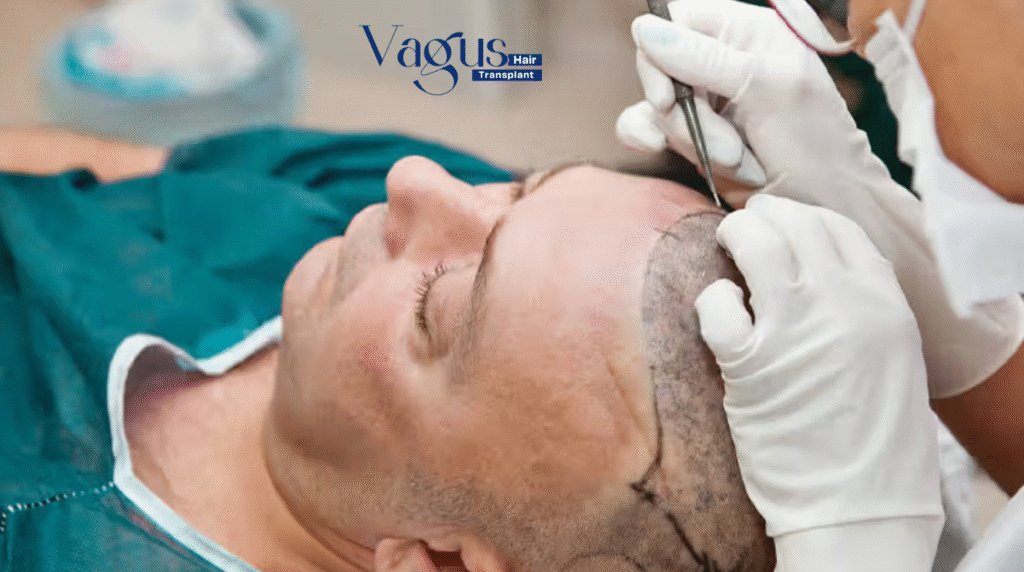
Post-Hair Transplant Results Timeline
After the transplant, hair growth will not be immediate. Here’s what you can expect:
- Weeks 1–2: The transplanted hair will fall out, a process called “shock loss.” This is completely normal.
- Months 3–6: New hair begins to grow. At this stage, it might be fine and soft, but it will gradually thicken.
- Months 6–12: Visible hair growth becomes more noticeable. Full results typically appear after 12–18 months.
The timeline can vary depending on individual healing rates and the specific transplant method used.
Hair Transplant Recovery
The recovery process is relatively straightforward, with most people returning to their normal activities within 1–2 weeks. However, it’s essential to avoid strenuous activities and protect the scalp from direct sunlight during the first few months. Swelling, redness, and slight discomfort are common but typically resolve within a few days to weeks.
- Post-op care tips: Follow the surgeon’s instructions, avoid touching the scalp, and use prescribed medications to promote healing.
Hair Transplant Satisfaction and Long-Term Results
Studies have shown that the majority of patients are satisfied with their hair transplant results, with improvements in both hair density and appearance. Since hair transplant results are permanent, most patients enjoy a full head of hair for many years after the procedure. However, some may require follow-up treatments for hair maintenance, especially if they continue to experience natural hair loss.
Is a Hair Transplant the Best Option for You?
Are You a Good Candidate for a Hair Transplant?
Ideal candidates for a hair transplant are those who are experiencing male or female pattern baldness but still have enough hair in the donor area. The best candidates are in good health, have realistic expectations, and understand the commitment required for the procedure and recovery.
Is a Hair Transplant Worth It?
Hair transplants can be expensive, but they often offer a permanent solution to hair loss. When compared to other treatments like medications, which require continuous use, a hair transplant can be more cost-effective in the long run. The final decision depends on individual goals, budget, and the extent of hair loss.
Expert Opinions and Case Studies
What Do Surgeons Say About Hair Transplants?
Many top hair transplant surgeons agree that hair transplants are one of the most effective methods of hair restoration. According to a leading hair transplant expert, “Hair transplants offer natural and permanent solutions for individuals struggling with pattern baldness. The key to success is choosing a qualified surgeon and following proper aftercare procedures.”
FAQs
How Long Does It Take for a Hair Transplant to Show Results?
It can take 3–6 months before new hair begins to grow visibly, and 12–18 months for full results.
Are Hair Transplants Permanent?
Yes, hair transplants provide permanent results. However, natural hair loss may continue in untreated areas.
What Are the Risks of Hair Transplants?
While hair transplants are generally safe, risks include infection, scarring, and poor hair growth. It’s important to follow all post-operative instructions to minimize these risks.
Can You Still Lose Hair After a Hair Transplant?
Yes, while transplanted hair is permanent, untreated areas may still experience hair loss over time.
Conclusion
Hair transplants are highly effective for many individuals experiencing hair loss. Whether through FUE or FUT, the procedure can restore a natural-looking hairline and improve hair density. While the recovery process requires patience, the results are permanent and can provide a long-term solution to hair thinning. By consulting with experienced surgeons and understanding the process, you can make an informed decision about whether a hair transplant is right for you.
Book a Free Consultation with Our Experts
- “Considering a hair transplant? Book a consultation with our expert surgeons to discuss your options and learn how we can help you restore your hair and confidence. Contact us today for personalized advice.”