Summary
After undergoing an FUE hair transplant, maintaining the results is essential for long-term success. In this article, we explore how to maintain results after FUE Hair Transplant, including post-operative care, essential tips for recovery, and the best practices for ensuring healthy hair growth. We cover everything from nutrition and scalp care to the recovery timeline and expert recommendations. By following these steps, you can maximize the longevity of your hair transplant results and keep your hairline healthy.
Introduction
Hair transplant surgery, particularly FUE hair transplant, is an effective solution for women and men suffering from hair loss. However, after the procedure, maintaining the transplanted hair and ensuring its growth requires a structured aftercare routine. How to maintain results after a FUE Hair Transplant is a crucial question for anyone considering or recovering from this procedure. In this guide, we will discuss the best post-operative care, recovery timelines, and expert tips to help you maintain your newly restored hairline and achieve the best possible results.
What Is FUE Hair Transplant and Why Maintenance Matters
Understanding the FUE Hair Transplant Procedure
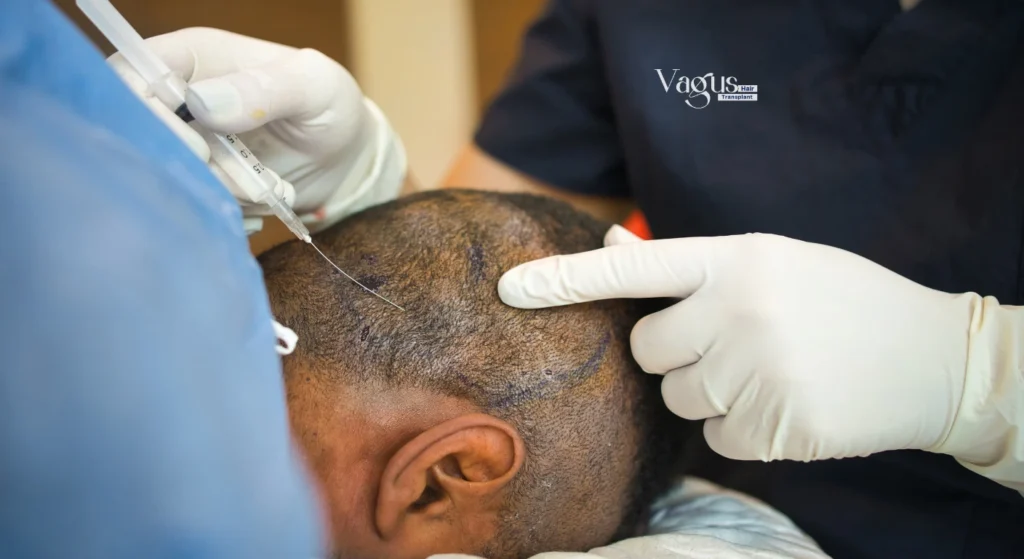
Follicular Unit Extraction (FUE) is a modern, minimally invasive hair transplant technique that involves removing hair follicles from a donor area (typically the back of the head) and transplanting them into thinning or bald areas of the scalp. FUE is highly effective in restoring a natural-looking hairline and is preferred by many due to its precision and minimal scarring.
The procedure is relatively straightforward, and recovery is generally quick compared to other methods like FUT (Follicular Unit Transplantation). However, achieving the best results depends heavily on following proper aftercare guidelines post-surgery.
The Importance of Aftercare for FUE Hair Transplant Results
The transplanted hair follicles need time to heal and settle into their new location, and proper care is crucial to ensure they thrive. Aftercare plays a critical role in maintaining the viability of the hair follicles and ensuring the final results match expectations. Failing to follow post-operative instructions can lead to complications such as infection, scalp irritation, or graft rejection.
By adhering to expert aftercare guidelines, you can maximize the survival rate of the transplanted follicles, reduce the risk of complications, and ultimately enjoy a fuller, more natural-looking hairline.
FUE Hair Transplant Aftercare: What to Do Immediately After the Procedure
First 24-48 Hours: What to Expect
The first 48 hours following your FUE hair transplant are critical to ensuring the success of the procedure. Immediately after surgery, your scalp will likely be sore, and you may experience some swelling or mild discomfort. Here are the essential steps to follow during this period:
- Keep the scalp clean and dry: Your surgeon will provide specific instructions on how to cleanse your scalp in the first few days.
- Avoid touching the transplant site: Do not touch, scratch, or pick at the newly transplanted hair follicles, as this could disrupt the healing process.
- Sleep with your head elevated: To minimize swelling, sleep with your head raised on pillows during the first few nights.
- Avoid direct sunlight: Protect your scalp from sun exposure for at least a few days to avoid irritation or sunburn.
Post-Transplant Care: Day 3 to Week 2
During the first two weeks, the scabs around the transplanted follicles will begin to form and eventually shed. Here’s what you need to do during this phase:
- Gentle washing: You can start washing your scalp gently with a mild, sulfate-free shampoo. Avoid scrubbing or rubbing the scalp.
- Avoid strenuous activities: Refrain from physical exertion or activities that might cause sweating or strain on the scalp.
- Use prescribed medications: Your surgeon may prescribe anti-inflammatory medications or antibiotics to prevent infection and reduce swelling.
Following these early care steps is essential for ensuring the proper healing of the newly transplanted follicles.
Post-FUE Hair Care Routine for Long-Term Success
Best Shampoos and Products After FUE
Using the right hair care products after a FUE hair transplant is key to protecting your scalp and promoting hair growth. Here’s what you should look for:
- Sulfate-free shampoos: These shampoos are gentle and help prevent irritation in the sensitive, newly transplanted areas.
- Moisturizing hair products: Products containing aloe vera, coconut oil, or vitamin E can soothe and hydrate your scalp.
- Hair growth serums: Some post-transplant serums help stimulate the growth of transplanted follicles and protect against further hair thinning.
Consult with your surgeon or a dermatologist to find the best products suited for your specific hair type and needs.
Nutrition for Healthy Hair Growth
Nutrition plays a vital role in the healing process and supports the growth of transplanted hair. Consider adding the following nutrients to your diet:
- Biotin: Supports hair health and encourages faster regrowth.
- Vitamin D: Essential for follicle health and to combat hair thinning.
- Omega-3 fatty acids: Found in fish and flaxseeds, omega-3s promote healthy hair growth and circulation to the scalp.
Incorporating these nutrients into your diet can significantly enhance the recovery process and the overall success of your transplant.
Maintaining Hair Growth After FUE Hair Transplant
Why Consistency is Key to Hair Growth
The key to long-term success after an FUE hair transplant is consistency. The transplanted follicles may shed initially, but they will start to regrow after a few months. It’s important to:
- Stick to the post-operative care routine as advised by your surgeon.
- Avoid skipping follow-up appointments to monitor progress and address any concerns.
Preventing Hair Loss After a Hair Transplant
To prevent further hair loss, you should:
- Manage stress levels: Chronic stress can negatively affect hair growth, so practices like yoga or meditation can help.
- Maintain a healthy lifestyle: Regular exercise, a balanced diet, and proper sleep are crucial for overall hair health.
The FUE Hair Transplant Healing Process: What to Expect
Healing Timeline: From Immediate Recovery to Full Results
Recovery from FUE hair transplant is relatively quick, but full results take time. Here’s what to expect:
- First 2 weeks: You will experience swelling, redness, and shedding of transplanted hair follicles.
- 3 to 6 months: New hair begins to grow, but it may be finer initially.
- 6 to 12 months: Full results appear, with thicker, stronger hair that blends seamlessly with your natural hair.
Potential Complications to Watch Out For
While complications are rare, it’s important to be aware of the following:
- Infection: Symptoms include redness, swelling, or pus around the transplanted area.
- Scarring: Ensure that scarring is minimal by following aftercare guidelines and avoiding physical stress on the scalp.
Scalp Care After FUE Transplant: Best Practices for Healthy Hair
Protecting Your Scalp in the Early Stages
During the initial healing period, it’s vital to:
- Wear a loose hat to protect your scalp from the sun.
- Avoid scratching or picking at the transplanted area, as this could damage the follicles.
Long-Term Scalp Care for Transplanted Hair
For long-term success, continue maintaining a healthy scalp with:
- Gentle hair care products.
- Regular scalp massages improve blood circulation.
How to Protect Transplanted Hair and Maintain FUE Results
Avoiding Unnecessary Stress on Transplanted Hair
After the transplant, it’s important to:
- Avoid tight hairstyles or any activity that puts stress on the hair follicles.
- Limit heat styling tools that could cause damage to the newly transplanted hair.
Post-Transplant Exercise and Sweat Management
Avoid excessive sweating for at least 2 weeks after the transplant, as it can irritate the scalp and disrupt healing. After that, you can resume light exercise, but make sure to protect the scalp from excessive heat and moisture.
How to Maximize FUE Transplant Success: Expert Tips
Follow Your Surgeon’s Post-Operative Advice
Always follow the advice of your surgeon to ensure the best results. Regular check-ups and adherence to postoperative care instructions will ensure a smooth recovery.
Staying Patient and Consistent
Patience is key. While hair growth takes time, following your surgeon’s instructions and maintaining consistency will guarantee the best results.
FAQs
How Long Does It Take to See Full Results from an FUE Hair Transplant?
Full results are typically visible after 9-12 months.
Is It Normal for Hair to Shed After the FUE Procedure?
Yes, shedding is normal in the first few months after the transplant as the follicles adjust to their new location.
How Can I Prevent Infection After FUE?
Keep the scalp clean and follow the prescribed antibiotics and antiseptic instructions.
When Can I Start Exercising After My FUE Hair Transplant?
Light exercise can typically be resumed after 2 weeks. Avoid heavy sweating until then.
Next Step
FUE hair transplant is a reliable and permanent solution for restoring your hairline. However, achieving the best results requires consistent care, patience, and following post-operative guidelines. By properly maintaining your transplanted hair, protecting your scalp, and following a healthy lifestyle, you can enjoy a fuller, natural-looking hairline for years to come.
With our Experts at Vagus Hair Transplant Today to Discuss Your FUE Hair Transplant!
Our team guides you through the process and provides personalized aftercare instructions for the best results.