Summary:
Experiencing hair loss after an FUE hair transplant is common and part of the natural healing process. This guide explains why shedding occurs, when to expect regrowth, and how to manage your recovery. With expert insights, you’ll understand the typical timeline, recovery tips, and what to expect as you restore your hair to full health.

Introduction
If you’ve recently undergone an FUE hair transplant or are considering the procedure, you might be wondering: Is hair loss normal after FUE hair transplant? The answer is yes, experiencing hair loss after a transplant is not only normal, but it’s also expected as part of the healing process. In this article, we’ll explain why shedding occurs, what you should expect in the weeks and months following your transplant, and how to support healthy regrowth.
By the end of this post, you’ll have a clear understanding of the natural hair loss cycle after FUE, how to manage it, and expert tips for ensuring the best results. We aim to put your mind at ease and guide you through this essential stage of your hair restoration journey.
Understanding FUE Hair Transplant and Post-Transplant Hair Loss
What Is FUE Hair Transplant and How Does It Work?
Follicular Unit Extraction (FUE) is one of the most advanced and popular hair transplant techniques. In FUE, individual hair follicles are harvested from a donor area (typically the back of the scalp) and transplanted to thinning or bald areas. Unlike the traditional FUT (Follicular Unit Transplantation), FUE doesn’t involve cutting a strip of scalp. Instead, individual follicles are extracted using a specialized punch tool.
This technique leaves no visible linear scar and generally offers a quicker recovery. However, a period of hair shedding after the transplant is inevitable, which many patients worry about.
Why Does Hair Loss Occur After FUE?
It’s important to understand that hair loss after FUE is not a failure of the transplant. In fact, this temporary shedding is a part of the natural hair cycle known as “shock loss.” After the follicles are transplanted, they go into a resting phase (telogen phase) before starting to grow again. During this resting phase, hair shedding may occur, but it’s nothing to worry about.
The transplant essentially triggers the body’s natural response to a foreign entity (the new grafts), and the existing hairs on the transplant site may fall out. However, new, stronger hair will begin to grow in their place after a few months.
The FUE Recovery Phase: What to Expect
Timeline of Post-Transplant Hair Loss
The recovery timeline after FUE is divided into several phases, with hair shedding occurring most prominently in the first few weeks. Here’s a typical timeline:
- Day 1-3: Immediately after the surgery, you may experience swelling and minor discomfort. The scalp will be tender, and you may notice some scabbing around the transplanted follicles.
- Week 1-2: It’s common to experience some shedding in the first two weeks as the transplanted hair enters the resting phase.
- Week 3-4: Hair shedding will likely continue. You may see the transplanted follicles fall out, but this is expected.
- Months 1-3: During this phase, shedding slows down, and new hair follicles will begin to grow in the transplanted area. The growth is usually thin and sparse at first.
- Months 4-6: As the new hair continues to grow, the density improves. You will start to notice thicker hair in the transplant area.
- Months 6-12: Full hair regrowth typically takes 9-12 months, with the final results visible after one year.
Early Hair Loss Post-FUE: Is It Normal?
It’s completely normal to experience some hair loss within the first few weeks of your FUE transplant. This is part of the recovery process, known as shock loss. The initial shedding phase can be alarming, but it is a temporary stage. The hair follicles that were transplanted are going through a transition period, where they may shed before regrowing stronger, healthier strands.
During this time, many patients experience anxiety, but rest assured, the new hair will grow back in a few months. The key is to be patient and allow your body the time it needs to adjust.
FUE Hair Transplant Healing Process and Graft Regrowth
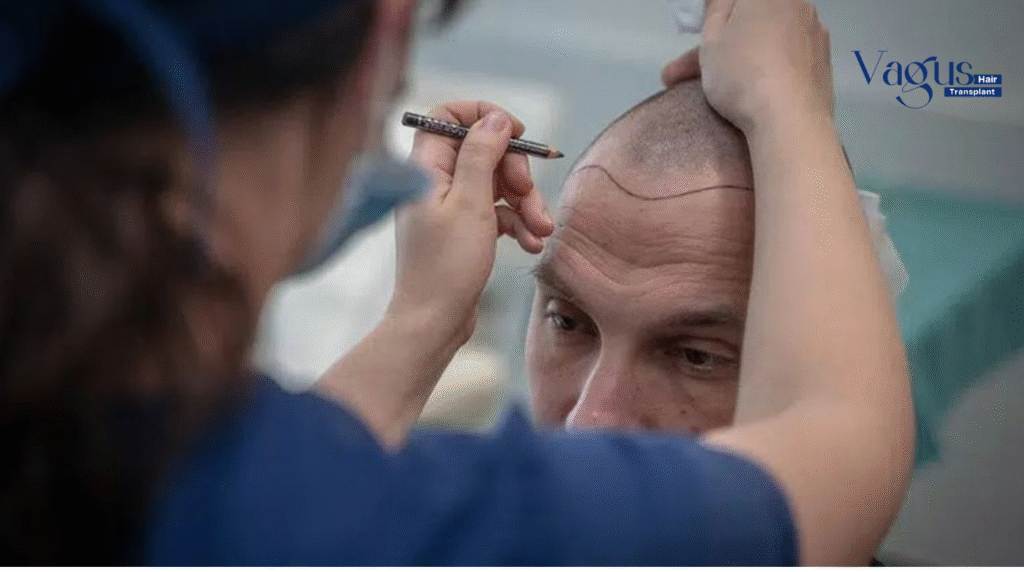
FUE Hair Transplant Healing Timeline
The healing process after an FUE hair transplant involves several stages. The timeline varies for each patient, but here’s a general overview of what to expect:
- Week 1: Scabs form around the grafts, which usually fall off by the end of the week.
- Week 2-3: The transplanted follicles are now in the resting phase. Hair shedding is common, but it’s nothing to worry about.
- Month 2-3: New hair begins to grow, though it may initially be thin or fine.
- Months 4-6: Hair begins to thicken as it continues to grow, and you’ll notice more noticeable coverage.
- Months 6-12: Full results are typically seen, and the hair reaches its final thickness and length.
Hair Growth After FUE: What Should You Expect?
Hair growth after FUE can be gradual. Initially, new hair growth is often sparse and fine, but with time, it thickens and becomes more natural-looking. By the third month, you should start seeing noticeable growth, and by the sixth month, the hair should look fuller. Full results can take up to a year.
It’s important to follow aftercare instructions carefully during this phase to ensure optimal growth. This includes avoiding excessive sun exposure, not touching or scratching the transplanted area, and using recommended shampoos and treatments.
Expert Tips for a Smooth Recovery
- Avoid Strenuous Activities: After the transplant, avoid activities like heavy exercise, swimming, or any form of physical strain that could affect the grafts.
- Scalp Care: Follow your surgeon’s aftercare instructions. This often includes gentle washing of the scalp and applying prescribed ointments.
- Medications: Use any prescribed medications to prevent infection and encourage healing.
- Follow-Up Appointments: Keep regular follow-up appointments to monitor your progress.
Common Hair Loss Concerns After FUE
Is It Normal to Experience Hair Loss Months After FUE Hair Transplant?
Yes, shedding can continue even months after the transplant, as the hair follicles adjust to the new environment. As long as the hair grows back in its natural cycle, it is not a cause for concern. However, if you notice excessive shedding or bald patches, it’s best to consult your surgeon.
Can Hair Loss After FUE Be Avoided?
While shedding is inevitable, proper aftercare can help minimize its extent. Avoid touching or scratching the transplanted area, and refrain from any activities that might disrupt the grafts. Also, using recommended products and avoiding smoking and alcohol can help promote healthy regrowth.
FAQs
How Long Does Hair Loss Last After an FUE Hair Transplant?
The shedding phase typically lasts for 2-4 weeks. However, shedding can continue sporadically for up to 3 months as the hair follicles go through the resting phase.
When Will I See Full Hair Growth After FUE?
Full hair growth generally occurs between 6 to 12 months after the procedure. Expect your hair to thicken and mature over this period.
Can FUE Cause Permanent Hair Loss?
No, FUE is designed to restore hair permanently, but temporary shedding can happen during the healing process. Permanent hair loss is rare if the procedure is done correctly.
Understanding and Managing Post-FUE Hair Loss
Experiencing hair loss after an FUE hair transplant is entirely normal and part of the body’s natural healing process. The initial shedding is temporary, and as the transplanted follicles begin to regrow, you’ll see fuller, thicker hair. Trust the recovery process, be patient, and follow your surgeon’s aftercare advice to ensure the best results.
Book a Free Consultation with Our Hair Transplant Experts Today!If you’re considering a hair transplant or want to learn more about the recovery process, book a free consultation with our team of experienced professionals. We’ll answer all your questions and help you achieve your hair restoration goals.