Summary
Stem cell hair transplants are an innovative solution for hair loss. In this article, we delve into how stem cell therapy works, the permanence of results, and whether it offers a lasting solution for those struggling with baldness. We compare stem cell therapy to traditional hair transplants and explain the factors affecting the longevity of results. Is Stem Cell Hair Transplant Permanent? With expert insights and real-world data, you’ll understand if stem cell hair restoration is right for you.

Introduction
Hair loss can be a distressing problem that affects many people, leading them to seek permanent solutions. One popular option that promises long-term hair restoration is the stem cell hair transplant. But how permanent is this innovative procedure? Is stem cell hair transplant truly a lasting solution, or is it just a temporary fix? In this article, we will dive deep into how stem cell hair transplants work, their permanence, and whether it’s the right choice for you. You’ll also discover key benefits, factors influencing the treatment’s longevity, and expert insights on the effectiveness of this advanced procedure.
What is a stem cell hair transplant?
Understanding the Basics of Stem Cell Therapy for Hair Loss
Stem cell therapy is an emerging field in medicine that uses stem cells to promote healing and regeneration. In the case of hair loss, stem cell therapy works by stimulating hair follicles that are in the resting or dormant phase. These stem cells can regenerate damaged follicles and encourage new hair growth.
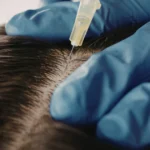
Stem cells are harvested from a patient’s body, typically from areas like the scalp, bone marrow, or fat. They are then processed and injected into areas of the scalp where hair follicles need regeneration. This therapy offers a minimally invasive alternative to traditional hair transplant methods like FUT and FUE.
How Stem Cell Therapy Works to Restore Hair
The science behind stem cell hair transplants involves a mechanism that directly stimulates the stem cells within hair follicles. These cells secrete proteins and growth factors that rejuvenate existing follicles. When injected into the scalp, they stimulate the natural growth of new hair. Unlike traditional methods that focus on transplanting hair from other parts of the body, stem cell therapy promotes natural regrowth in thinning or bald areas by regenerating hair follicles.
Is Stem Cell Hair Transplant Permanent?
The Lifespan of Stem Cell Hair Restoration Results
One of the most commonly asked questions about stem cell hair transplants is: “How long will the results last?” Stem cell treatments can provide long-lasting results, often much longer than conventional hair restoration techniques. However, the permanence of the results depends on various factors, including:
- Genetics: Some individuals may experience hair loss again due to their genetic predisposition, even after undergoing stem cell therapy.
- Age: Younger patients typically see longer-lasting results due to healthier hair follicles and scalp conditions.
- Maintenance: Regular follow-ups and maintenance treatments can prolong the results and help sustain hair regrowth over time.
Factors Affecting the Permanence of Stem Cell Hair Transplants
While stem cell hair transplants are effective for many people, their longevity can vary depending on several factors:
- Age and Genetics: Younger individuals with active hair follicles will see more permanent results.
- Lifestyle: Diet, stress levels, and overall health can impact the longevity of results.
- Surgeon Skill: The expertise of the surgeon plays a crucial role in ensuring the success of the procedure and the permanence of the results.
Stem Cell Hair Regrowth Treatment
How Stem Cells Stimulate Hair Follicles for Growth
The application of stem cells to a balding scalp activates dormant follicles by promoting the production of proteins and growth factors that trigger hair regeneration. This process improves the thickness and density of hair, giving it a fuller appearance. Over time, patients notice reduced hair shedding and enhanced hair volume.
What Makes Stem Cell Therapy More Effective Than Traditional Treatments?
Unlike traditional hair restoration treatments, stem cell therapy works by regenerating the hair follicles themselves rather than relying on external implants. This creates a more natural and sustainable result. Other treatments like PRP (Platelet-Rich Plasma) are often used in conjunction with stem cell therapy to boost its effectiveness. Stem cell therapy, however, has the advantage of stimulating the follicle at the root, leading to longer-lasting and thicker regrowth.
Benefits of Stem Cell Hair Regrowth

Regrowing Thicker and Healthier Hair
Stem cell therapy does more than just restore hair; it improves the quality and texture of the hair. The rejuvenation process helps hair grow back thicker, fuller, and healthier, making it appear more natural compared to traditional transplants.
Minimal Scarring and Faster Recovery
Compared to traditional hair transplant procedures like FUT, stem cell hair transplants have the advantage of minimal scarring. Since stem cells are injected rather than implanted, there is little to no visible scarring, and recovery time is typically shorter. This makes it an appealing option for individuals who are worried about the side effects of more invasive procedures.
Stem Cell Hair Treatment for Baldness
Effective Treatment for Advanced Baldness
Stem cell therapy is particularly beneficial for individuals with severe hair loss or baldness. Unlike other methods, which may not be as effective on completely bald areas, stem cell therapy can rejuvenate even the most dormant hair follicles, giving patients a natural-looking hairline.
Stem Cell Therapy vs Traditional Hair Transplants
Comparing Stem Cell Hair Transplants to FUE and FUT
While stem cell therapy offers a new and innovative solution to hair loss, traditional hair transplants like FUE (Follicular Unit Extraction) and FUT (Follicular Unit Transplantation) remain popular. The main differences between stem cell therapy and these traditional methods include:
- Invasiveness: Stem cell therapy is less invasive and requires no large incisions.
- Recovery Time: Stem cell therapy generally has a shorter recovery time than FUT and FUE procedures.
- Long-Term Results: Stem cell therapy can offer longer-lasting results, but this varies from patient to patient.
Which One Is More Permanent?
Both stem cell hair transplants and traditional methods offer permanent results, but the long-term effectiveness of stem cell therapy depends on factors such as age, genetics, and the patient’s response to treatment. Traditional hair transplants have a proven track record of permanent results, but stem cell therapy shows great promise for those seeking a less invasive, natural approach.
Success Rate of Stem Cell Hair Transplants
Understanding the Success Rate and Expected Outcomes
The success rate of stem cell hair transplants varies depending on the individual. Clinical studies have shown that up to 80% of patients experience significant hair regrowth within six months of treatment. However, this can depend on the individual’s condition and how well they follow post-treatment care instructions.
How Long Does a Stem Cell Hair Transplant Last?
The Timeline of Results
Patients typically begin to notice results within 3-6 months, with maximum results appearing at around 12-18 months. Since stem cell hair transplants regenerate hair follicles, the results tend to last longer than traditional hair transplants.
Can Stem Cell Hair Treatment Cure Baldness?
Stem Cell Therapy as a Solution for Complete Baldness
While stem cell therapy can rejuvenate hair follicles and provide fuller, thicker hair, it is not guaranteed to cure complete baldness. For patients with extensive hair loss, the therapy can restore some degree of hair growth but may not entirely reverse severe balding.
Frequently Asked Questions
What is the cost of stem cell hair transplant?
Prices can vary depending on the clinic and the extent of treatment, but it typically costs between $4,000 to $10,000.
Are there any side effects?
Side effects are minimal, but some patients may experience mild swelling, redness, or bruising in the treated area.
How does recovery from stem cell therapy compare to FUE?
Recovery is faster with stem cell therapy, typically requiring only a few days, compared to the longer recovery time associated with FUE.
Conclusion:
Stem cell hair transplant offers a promising solution for those seeking long-term hair restoration. With benefits such as minimal scarring, faster recovery, and the potential for natural, thicker hair, it’s an attractive option for many. However, the permanence of results depends on individual factors like genetics and maintenance.
Ready to take the next step toward restoring your hair? Book a Free Consultation with Our Experts Today!