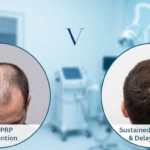
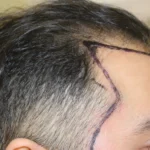
DHI (Direct Hair Implantation) and Hybrid-by-Design are two distinct techniques in the field of hair restoration and design, each serving different purposes. DHI focuses on hair transplantation using advanced methods for specific follicle implantation, delivering the best results in hair restoration. In contrast, Hybrid-by-Design combines various technologies and principles in design or engineering, emphasising innovation and customisation.
Introduction
When it comes to hair restoration and design, understanding the key difference between DHI and Hybrid-by-Design is crucial for anyone considering these techniques. Whether you’re seeking a solution for hair loss or exploring design innovation, knowing which option suits your needs can significantly impact your outcome. In this article, we’ll delve into the details of Direct Hair Implantation (DHI) and Hybrid hair design, highlighting their distinct approaches, advantages, and how each technique aligns with different goals.
DHI and Hybrid-by-Design represent advancements in their respective fields, with DHI providing a targeted solution for hair restoration, while Hybrid-by-Design combines various design methods. By the end of this blog, you’ll understand which technique is best suited for your specific goals.
Understanding DHI (Direct Hair Implantation)
What is DHI?
Direct Hair Implantation (DHI) from your surgeon is a specialised hair transplant technique that focuses on implanting hair follicles directly into the scalp using an advanced pen-like instrument. Unlike traditional methods, DHI does not require a strip of skin to be removed, allowing for a less invasive procedure with a quicker recovery time.
How Does DHI Work?
The DHI process involves the following steps:
- Extraction: Healthy hair follicles are extracted from the donor area.
- Preparation: The follicles are carefully prepared for implantation.
- Implantation: Using a pen-like device, the follicles are implanted directly into the scalp at precise angles and depths.
This method ensures that each follicle is placed with precision, resulting in a natural look and faster healing.
Benefits of DHI
- Minimal Scarring: The DHI technique minimises scarring, providing a more natural appearance.
- Faster Recovery: With no stitches required, recovery time is significantly reduced.
- Precision and Control: DHI allows for greater control over the direction and angle of each hair follicle, ensuring a natural hairline.
Ideal Candidates for DHI
DHI is ideal for individuals experiencing:
- Male and Female Pattern Baldness: Those with thinning hair or bald spots.
- Early Stages of Hair Loss: DHI is especially effective for people who are in the early to mid-stages of hair loss.
Candidates should also have healthy donor areas, typically on the back or sides of the scalp.

DHI in Practice: Success Rates and Results
Studies show that DHI offers a high success rate, with some reports indicating a graft survival rate of up to 90%. Many patients experience natural-looking results, which can last for years.
What is Hybrid-by-Design?
Defining Hybrid-by-Design
Hybrid-by-Design refers to a method of combining multiple technologies or principles, typically in the realm of design, engineering, or product development. This approach involves integrating the best aspects of different techniques to create customised solutions.
The Hybrid Model: How Does it Work?
Hybrid-by-Design works by blending various design technologies or approaches, such as:
- Technology Integration: Combining multiple technologies to optimise performance.
- Design Flexibility: Customising solutions to meet specific needs, often by mixing elements of traditional and modern design.
This model ensures that the final product or solution is highly specialised and tailored.
Benefits of Hybrid-by-Design
- Customisation: Offers a tailored approach, addressing specific project needs.
- Innovation: Combines the latest technologies with traditional methods, fostering innovation.
- Versatility: Suitable for a wide range of applications, from design to engineering.
Applications of Hybrid-by-Design
Hybrid-by-Design is widely used in:
- Product Development: Combining materials and methods for better product performance.
- Architecture and Engineering: Integrating design principles for unique and functional structures.
- Technology Design: Merging different tech solutions to optimise performance.
Key Differences Between DHI and Hybrid-by-Design
| Aspect | DHI (Direct Hair Implantation) | Hybrid-by-Design |
| Primary Focus | Hair restoration | Custom design and technology integration |
| Technology Used | Pen-like implantation device, advanced techniques | A combination of various design principles |
| Application | Medical, hair restoration | Design, engineering, and product development |
| Recovery Time | Quick, minimal scarring | Not applicable (design-based) |
Advantages and Disadvantages of DHI and Hybrid-by-Design
| Method | Advantages | Disadvantages |
| DHI (Direct Hair Implantation) | – Precision- Faster recovery- Natural look | – Limited to hair restoration- Requires a skilled practitioner |
| Hybrid-by-Design | – Versatility- Customisation | – Requires extensive research and development- May not always be cost-effective |
Which Option is Right for You?
Deciding Between DHI and Hybrid-by-Design
If you’re looking to restore hair, DHI is your best option due to its proven results in hair transplantation. However, if you’re involved in design or product development, Hybrid-by-Design is ideal for creating custom solutions that require multiple technological integrations.
Factors to Consider Before Making a Choice
Before making a decision, consider:
- Budget: DHI might be more expensive depending on the extent of the procedure.
- Purpose: DHI is for hair restoration, while Hybrid-by-Design applies to broader design applications.
- Results: DHI offers a high success rate for hair restoration, while Hybrid-by-Design focuses on innovative design and functionality.
Real-World Examples and Success Stories
Success Stories with DHI
Many patients have shared their success stories after undergoing DHI, with reports of a significant increase in hair density and natural-looking hairlines. For example, a patient who underwent DHI experienced full regrowth of hair in the transplanted area within months, showcasing the method’s effectiveness.
Hybrid-by-Design: Case Studies and Outcomes
Hybrid-by-Design has been successfully used in various fields. For instance, in architecture, hybrid models have been implemented to create buildings that combine both traditional and modern design principles, resulting in more sustainable and functional spaces.
Final Thoughts
DHI and Hybrid-by-Design serve very different purposes; both are groundbreaking in their respective fields. DHI offers a highly effective solution for hair restoration with minimal scarring and quick recovery. On the other hand, Hybrid-by-Design provides a flexible and innovative practice in design and product development. By understanding the essential differences between these two techniques, you can make a more informed decision that aligns with your needs, whether it’s hair restoration or design innovation.
Are you ready to restore your confidence with fuller, natural-looking hair?
Frequently Asked Questions (FAQs)
1: Is DHI Painful or Expensive?
DHI is minimally painful due to the use of local anaesthesia. While it may be more expensive than traditional hair transplant methods, the results often justify the cost.
2:Can Hybrid-by-Design be Used for All Types of Projects?
Yes, Hybrid-by-Design can be applied across various industries, from product development to architecture, where custom, innovative solutions are needed.
3: What Makes DHI More Effective than Traditional Methods?
DHI is more precise, minimising scarring and allowing for quicker recovery compared to older hair restoration methods, such as FUT (Follicular Unit Transplantation).