Summary
What is the Success Rate of FUE Hair Transplant?The FUE Hair Transplant Success Rate is reliably high, with 90-95% of grafts typically surviving, but true success is measured by natural aesthetics and patient satisfaction.
Optimal results depend critically on the surgeon’s expertise, the patient’s health, and meticulous adherence to the post-operative care instructions. Since transplanted follicles are permanent, patients can expect to see their full, final results between 12 and 18 months post-procedure.

Introduction
If you’re considering a hair transplant, your primary concern is likely the outcome: What is the success rate of FUE Hair Transplant? This minimally invasive procedure boasts a remarkably high graft survival rate, typically ranging from 90% to 95%.
This guide will define success, break down the critical factors that influence your individual results, and provide a clear timeline. By reading this, you will gain the confidence to select the right surgeon, set realistic expectations, and ensure your journey to permanent hair restoration is successful.
Defining Success: What Does a Successful Hair Transplant Really Mean?
When patients ask about the success of an FUE hair transplant, they are often referring to the cosmetic outcome. However, medical professionals measure success using three distinct criteria.
Success Metric 1: Graft Survival Rate (The Technical Standard)
This is the most critical technical metric. The graft survival rate refers to the percentage of transplanted hair follicles that successfully take root in the recipient area and begin producing viable hair within 12 months. Reputable clinics consistently aim for, and achieve, survival rates of 90% or higher.
Success Metric 2: Density and Natural Aesthetics
A successful transplant must look natural. This metric focuses on the density achieved in the treated area and how seamlessly the new hairline blends with the existing hair. This requires the surgeon to possess not only technical skill but also artistic ability in choosing the correct angle and direction for each transplanted unit.
Success Metric 3: Long-Term Patient Satisfaction
Ultimately, success is measured by the patient’s happiness. This includes satisfaction with the visual results, the longevity of the results, and the overall improvement in self-confidence and quality of life.
What is the Success Rate of FUE Hair Transplant? (The Data)
The good news is that FUE (Follicular Unit Extraction) is a highly reliable procedure when performed by a qualified medical team.
The Standard Range: Why Graft Survival is Typically 90-95%+
For most healthy candidates undergoing FUE with an experienced surgeon, the anticipated graft survival rate falls between 90% and 95%. This impressive rate is due to the precision of modern extraction tools and advanced preservation techniques. While no surgical procedure guarantees 100% graft survival, FUE is recognized globally as one of the most effective and predictable methods for hair restoration.
The Role of Technique: How FUE Compares to FUT and DHI
| Technique | Description | Graft Survival Rate | Scarring | Recovery Time |
|---|---|---|---|---|
| FUE | Individual unit extraction using micro-punches. | 90% – 95% | Tiny, pinpoint marks (nearly invisible). | Faster (7-10 days). |
| FUT | Removal of a strip of scalp to harvest grafts. | 90% – 95% | Linear scar in the donor area. | Longer (10-14 days). |
| DHI | Direct implantation using a Choi Implanter pen. | Often cited as slightly higher (95%+) | Minimal, similar to FUE. | Similar to FUE. |
All three modern methods offer excellent graft survival rates. The choice depends on the patient’s specific hair loss pattern, donor area availability, and preferred recovery type.
Understanding ‘Failure’ (And When Grafts Don’t Survive)
In rare cases, a procedure may be considered unsuccessful, typically meaning graft survival is below 70-80%. The primary causes for this are almost always linked to preventable issues: severe post-operative infection, poor surgical technique resulting in damaged grafts, or failure to follow critical aftercare instructions (such as scratching the recipient area or drinking alcohol).
The 5 Critical Factors That Determine Your FUE Success Rate
A high FUE success rate is a partnership between the clinic and the patient. These five factors are the most critical determinants of your outcome.
Surgeon Expertise and Clinic Standards
The single greatest influence on success is the skill of the medical team. An experienced surgeon minimizes trauma to the follicles.
The Importance of a Low Follicular Transaction Rate (FTR)
FTR is the rate at which grafts are cut or damaged during the extraction process. A highly skilled FUE surgeon maintains an FTR of under 5%. Before selecting a clinic, inquire about their typical FTR it is a key indicator of quality.
Using Advanced Storage Solutions for Grafts
Once extracted, grafts must be kept in specific, temperature-controlled, nutrient-rich solutions (like HypoThermosol or PRP) to maintain viability. If grafts are stored incorrectly or dehydrated, they can quickly die. A quality clinic will prioritize these advanced storage methods.
Patient Candidacy and Donor Hair Quality
Even the best surgeon cannot create hair from nothing. The patient’s individual physiology plays a major role.
Density, Thickness, and Stability of the Donor Area
The hair in the donor area (usually the back of the head) must be healthy, dense, and resistant to future thinning. The more robust the donor hair, the better the final density will be in the recipient area.
The Impact of Age and Hair Loss Progression
Surgeons generally recommend waiting until your hair loss pattern has stabilized (typically around age 25-30) before undergoing an FUE transplant. Operating too early means hair loss may continue around the transplanted areas, necessitating future procedures.
Patient Health and Lifestyle Factors
Your body’s ability to heal and nourish the grafts post-surgery is essential for maximizing the FUE success rate.
Underlying Conditions (Diabetes, Thyroid Issues, Autoimmune)
Uncontrolled diabetes can impair healing and blood flow, and certain autoimmune conditions can lead to inflammation that rejects the grafts. Any existing medical conditions must be managed and cleared by a physician before surgery.
The Critical Need to Stop Smoking and Excessive Alcohol
Smoking significantly constricts blood vessels, restricting the necessary blood flow, oxygen, and nutrients to the newly transplanted grafts. Surgeons universally require patients to stop smoking and consuming excessive alcohol for several weeks both before and after the procedure to avoid graft failure.
Following Post-Operative Care Instructions (Experience)
The first 10-14 days are the most critical period for graft survival.
Protecting the Recipient Area and Preventing Infection
Avoid touching, rubbing, or scratching the recipient area. Sleep with your head elevated to minimize swelling, and follow the prescribed cleaning regimen precisely. Infection prevention is paramount; using prescribed antibiotics and keeping the area clean is non-negotiable.
Safe Recovery Timeline for Exercise and Sun Exposure
Avoid strenuous activity (anything that causes heavy sweating) for at least 14 days, as sweat can introduce bacteria and irritation to the fragile grafts. Direct sun exposure must be avoided for several months.
Realistic Expectations and Hairline Design
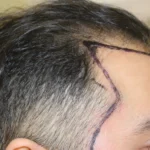
Success is often tied to the patient’s initial expectations. A skilled surgeon will work with you to design a hairline that looks natural not just today, but decades from now, managing expectations based on your existing donor supply.
Navigating the FUE Recovery Timeline: When Will I See the Final Results?
Understanding the recovery phases is crucial for maintaining peace of mind during the long wait for your final FUE results.
Weeks 1-4: The Initial Shedding Phase (Shock Loss Explained)
Approximately 2 to 4 weeks after the procedure, the transplanted hair shafts will fall out. This is called shock loss, and it is a completely normal part of the process. This does not mean the transplant failed. The follicle root is secure beneath the skin, entering a resting phase before new hair growth begins.
Months 4-6: Early Growth and Visible Change
Around the four-month mark, the new hair will begin to sprout. Initially, the texture may be fine and thin, often described as “baby hair.” By six months, you should see noticeable coverage and growth.
Month 12-18: Achieving the Full and Final Density (EEAT: Patient Case Study Suggestion)
The 12-to-18-month mark is when the hair achieves its full maturity, thickness, and density. This is the moment to properly evaluate the final success of the transplant.
Maximizing Your Long-Term FUE Results: Tips from Experts
Achieving a high FUE success rate means committing to the long-term health of your hair.
Recommended Maintenance: Minoxidil, Finasteride, and PRP
Many surgeons recommend maintenance therapy to protect the non-transplanted surrounding hair from future thinning. Topical minoxidil and oral finasteride are often prescribed, and Platelet-Rich Plasma (PRP) therapy can be used to nourish the scalp and stimulate both transplanted and existing follicles.

How Long Will Transplanted Hair Last?
The hair follicles used in FUE are typically taken from the “permanent zone” at the back of the scalp, which is genetically resistant to the DHT hormone that causes male pattern baldness. Once successfully transplanted, these follicles retain that resistance, making the result a permanent hair restoration. While your surrounding hair may age, the transplanted hair is designed to last a lifetime.
Frequently Asked Questions (FAQs)
Can a second hair transplant improve the success rate?
Yes, a second procedure is very common and can be used to increase density, refine the hairline, or address future hair loss in non-transplanted areas. It is done to enhance the cosmetic outcome, not because the first procedure failed.
Is the FUE success rate lower for women?
The high graft survival rate (90-95%+) is similar for women. However, the successful outcome depends heavily on correctly diagnosing the cause of hair loss, as some forms of female hair loss are not suitable for transplantation.
Ready to Restore Your Confidence?
Understanding the factors influencing the success rate of FUE Hair Transplant is the first step; choosing the right professional is the next. Don’t leave your results to chance. Book a consultation with a specialist at Vagus hair transplant in Islamabad today to ensure a smooth, safe, and successful journey to permanent hair restoration