A female hair transplant involves a medical procedure to restore lost or thinning hair in women. The treatment aims to restore confidence and promote a fuller head of hair, using advanced techniques such as FUE (Follicular Unit Extraction) or DHI (Direct Hair Implantation). Women experiencing hair loss due to genetics, stress, hormonal imbalances, or other factors can benefit from a transplant. This blog explores the steps involved, different transplant techniques, recovery process, and expected results.
Introduction
When considering a female hair transplant, many women wonder what the procedure entails and how it can address their unique hair restoration needs. A female hair transplant is a surgical solution to restore lost hair, which can be an essential part of improving self-confidence and overall well-being. In this blog, we’ll walk through everything involved in female hair restoration, exploring various techniques such as DHI (Direct Hair Implantation) and FUE (Follicular Unit Extraction). Understanding these options can help you make an informed decision about your hair restoration journey.
What is a Female Hair Transplant
A female hair transplant is a medical procedure that transplants hair follicles from one area of the scalp to another to restore natural hair growth. It is designed to treat women who suffer from hair loss due to various reasons, including hormonal imbalances, genetics, or medical conditions. The procedure involves a skilled surgeon using precise techniques to relocate healthy hair follicles to areas where thinning or balding has occurred.
Understanding the Basics of Hair Transplant Surgery for Women
The hair transplant process typically begins with a consultation with a specialist, where the patient’s scalp condition and the severity of hair loss are assessed. Depending on the technique chosen, hair follicles will either be extracted using a punch tool FUE (Follicular Unit Extraction) or directly implanted using a Choi implanter pen (DHI). Both techniques aim to restore hair density and improve the overall appearance of the hairline.
How Does a Female Hair Transplant Differ from Male Transplants?
Though the procedure is similar for both genders, there are some key differences in the way female hair transplants are performed compared to male hair transplants. Women’s hair loss patterns tend to be more diffuse, with thinning occurring evenly across the scalp, whereas men often experience more localized bald spots. Surgeons may adjust the transplant technique to address these distinct patterns, ensuring a natural and balanced outcome for women.
Why Do Women Experience Hair Loss?
Hair loss in women can be caused by various factors, ranging from genetics to lifestyle. Common causes include:
Hormonal Imbalances
Hormonal changes due to pregnancy, menopause, or conditions like polycystic ovary syndrome (PCOS) can contribute to thinning hair or hair loss.
Genetics and Family History
Family history of hair loss can play a significant role in female hair thinning, as genetics often influence the likelihood of experiencing hair loss.
Stress and Lifestyle Factors
Stress, poor diet, and insufficient sleep can negatively impact hair health, contributing to thinning and shedding.
How Female Hair Loss Affects Confidence and Well-being
Hair loss in women can have a profound impact on self-esteem. As hair is often linked to femininity and beauty, losing it can be emotionally distressing. A hair transplant procedure for women helps to address this issue by restoring natural hair growth and boosting confidence.
Types of Hair Transplants for Women
There are several techniques available for female hair restoration, each with unique benefits and considerations.
Follicular Unit Extraction (FUE) for Women
In FUE, individual hair follicles are extracted from a donor area (usually the back of the scalp) and transplanted into thinning areas. This technique is minimally invasive, leaves no visible scars, and offers a quick recovery time.
Follicular Unit Transplantation (FUT) for Women
FUT involves removing a strip of scalp from the donor area, dissecting it into individual grafts, and transplanting them. While it may leave a linear scar, it can be suitable for women needing larger graft numbers.
Direct Hair Implantation (DHI) for Women
DHI involves extracting hair follicles using a specialized tool called a Choi implanter, which directly implants follicles into the scalp. This method provides greater precision and less damage to hair follicles, ensuring faster recovery and a more natural result.
Benefits of Hair Transplants for Women
A female hair transplant provides several key benefits:
Natural Results and Improved Confidence
The results from a successful transplant look natural and blend seamlessly with the rest of your hair, enhancing your appearance and boosting confidence.
Permanent Solution for Thinning Hair or Bald Spots
Hair transplants offer a permanent solution to hair loss, as transplanted hair grows naturally over time and is resistant to the factors that caused the original thinning.
Low Maintenance Aftercare
Once the transplanted hair takes root, it requires minimal maintenance. Following the surgeon’s aftercare instructions ensures the best possible outcome with minimal effort.
What to Expect During the Procedure
The Step-by-Step Process of Female Hair Transplants
The procedure starts with the surgeon preparing the donor area and extracting the hair follicles. Depending on the technique, these are either transplanted immediately (DHI) or stored for a short time (FUE/FUT). The surgeon then implants the follicles into the recipient area, ensuring they are placed in a way that mimics natural hair growth patterns.
Anesthesia and Comfort During the Surgery
Hair transplants are typically performed under local anesthesia, ensuring the patient is comfortable throughout the procedure. Mild sedation may also be offered to help with relaxation.
Duration of the Procedure and Recovery Time
The procedure typically takes 4-8 hours, depending on the number of grafts required. Recovery varies, with most patients returning to normal activities within 7-10 days.
Recovery After a Female Hair Transplant
What Is the Healing Process Like?
The healing process involves managing swelling, minor discomfort, and the initial shedding phase, commonly known as “shock loss.” This phase is temporary, and hair growth will begin within 3-6 months.
Tips for Managing Swelling and Discomfort
Following the surgeon’s aftercare instructions is essential to managing swelling and discomfort. Applying cold compresses, taking prescribed medications, and avoiding excessive touching of the transplanted area are key steps in ensuring a smooth recovery.
Post-Surgery Care and Follow-Up Appointments
Post-surgery care includes gentle washing of the scalp, avoiding strenuous physical activities, and attending follow-up appointments to monitor progress.
How Much Does a Female Hair Transplant Cost?
Factors Affecting the Cost of Hair Transplants for Women
The cost of female hair restoration depends on various factors:
- Location of the clinic
- Technique used (FUE, FUT, DHI)
- Number of grafts needed
Related; How much does a Female Hair Transplant cost
Financing Options and Insurance Coverage for Hair Transplants
Some clinics offer financing plans, while insurance coverage for hair transplants is often limited to cases of medical necessity.
Expected Results and Timeline for Female Hair Transplants
When Will You Start Seeing Results?
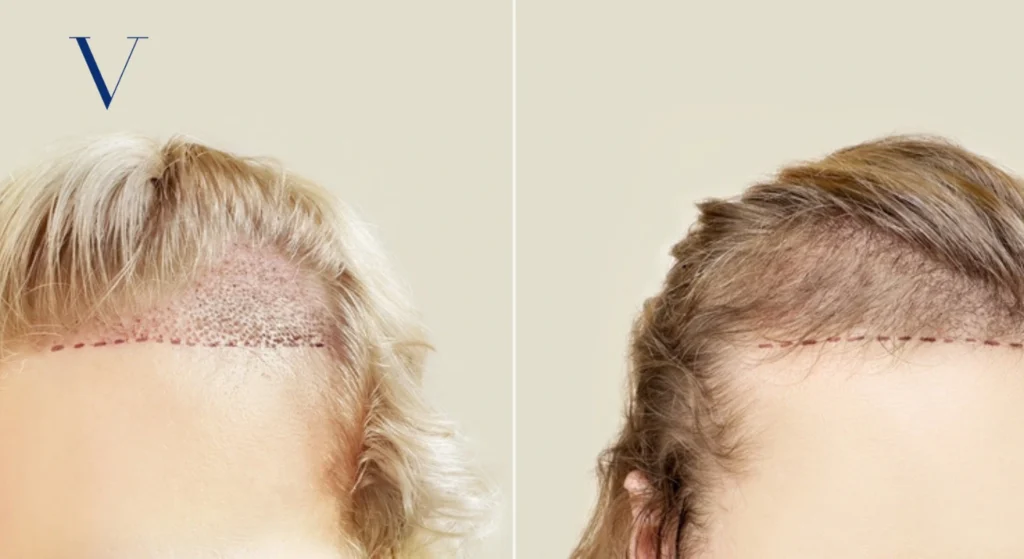
Results typically start to appear within 3-6 months, with full results visible around 12-18 months after the procedure.
How Long Will the Transplanted Hair Last?
The transplanted hair is permanent and will continue to grow naturally, though ongoing hair care is necessary to maintain its health.
Potential Risks and Limitations of Hair Transplants for Women
While rare, risks include infection, scarring, or suboptimal results. Choosing an experienced surgeon reduces the likelihood of complications.
Final Thoughts
In conclusion, a female hair transplant offers an effective solution to hair loss, helping women regain their confidence and enjoy natural, long-lasting results. By understanding the procedure, setting realistic expectations, and following proper aftercare, women can successfully navigate their hair restoration journey.
If you’re ready to regain your confidence and restore your hair, a female hair transplant could be the perfect solution for you. Don’t let hair loss hold you back.
Frequently Asked Questions.
Can Female Hair Transplants Be Done for Alopecia?
Yes, female hair transplants can help restore hair in women suffering from alopecia, though results vary depending on the extent of the hair loss.
Are Hair Transplants Safe for Women?
Hair transplants are generally safe, with minimal risk when performed by a qualified surgeon. However, it’s important to follow post-surgery care instructions to ensure the best results.
Can I Have a Hair Transplant if I Have Thinning Edges?
Yes, women with thinning edges can benefit from female hair transplants, though the transplant plan must be customized for this area to ensure natural results.
How to Choose a Qualified Hair Transplant Surgeon
Look for a certified, experienced surgeon specializing in female hair restoration. Reading patient reviews and seeing before-and-after photos is crucial in making an informed decision.
What to Look for in a Hair Transplant Clinic for Women
Choose a clinic with advanced techniques, professional staff, and a proven track record of success with female patients.