Transplanted hair can indeed grow, and it typically follows a predictable pattern over several months. After undergoing a hair transplant, it’s important to understand the natural hair growth cycle, the factors that affect growth, and how long it may take before you see results. With proper aftercare, most people experience full regrowth within 12-18 months. However, each person’s timeline can vary depending on individual factors such as the technique used (FUE vs. DHI), the success rate of the procedure, and post-surgery care. This guide will cover Can Transplanted Hair Grow?, including realistic expectations, the impact of DHI versus FUE, and tips to maximize your hair transplant results.
Understanding Transplanted Hair: What to Expect
What Is Transplanted Hair?
Transplanted hair refers to the hair that has been moved from one part of the scalp (typically the back or sides) to areas where hair thinning or baldness has occurred. This procedure, known as a hair transplant, is often performed using techniques like FUE (Follicular Unit Extraction) or DHI (Direct Hair Implantation).
Overview of the Hair Transplant Procedure
A hair transplant involves harvesting hair follicles from a donor area and implanting them into areas of the scalp affected by thinning or baldness. After the procedure, the transplanted follicles begin their new growth cycle.
How Hair Follicles Are Transplanted
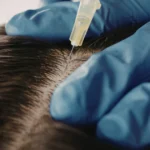
Hair follicles are extracted using a minimally invasive method. Whether through FUE or DHI, the follicles are carefully harvested and reinserted into the thinning or balding areas to ensure a natural, dense look.
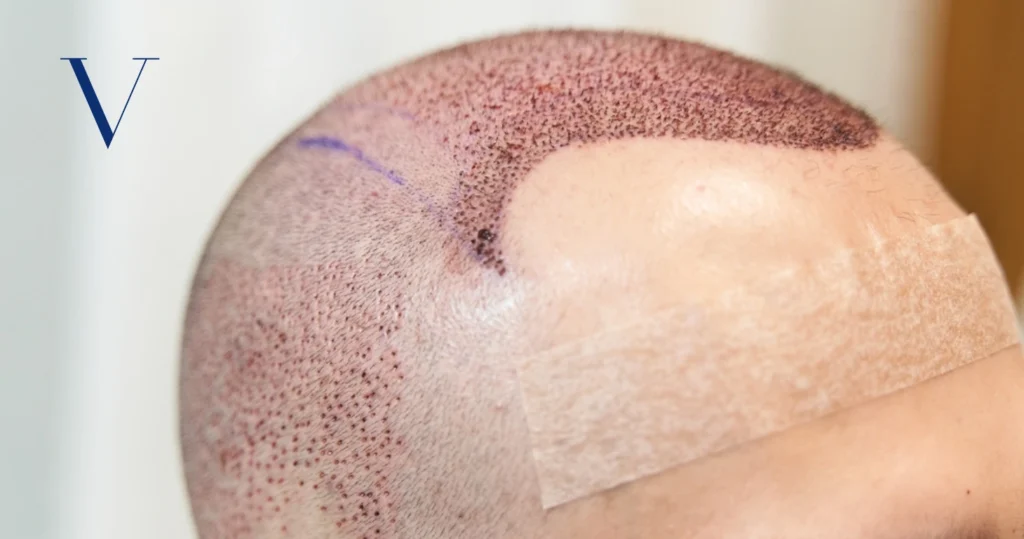
Does Transplanted Hair Grow Naturally?
Will Transplanted Hair Continue to Grow After Surgery?
Yes, transplanted hair will continue to grow naturally. The transplanted follicles are permanent and behave like regular hair follicles once they adapt to their new location. However, it’s important to understand the stages of hair growth post-surgery.
Factors Affecting the Growth of Transplanted Hair
Several factors can affect the growth of transplanted hair, including:
- Technique Used: FUE and DHI differ in their recovery time and results.
- Aftercare: Proper post-transplant care is crucial for optimal growth.
- Individual Factors: Your genetics, age, and health can impact the regrowth process.
- Hair Follicle Health: Strong, healthy follicles are more likely to thrive and grow.
How Long Does It Take for Transplanted Hair to Grow?
Typically, the first signs of new growth appear 3 to 4 months after the transplant. However, it may take anywhere from 12 to 18 months for the transplanted hair to fully mature and blend seamlessly with natural hair.
The Science Behind Transplanted Hair Growth
How Transplanted Hair Mimics Natural Hair
Transplanted hair behaves in the same way as your natural hair. It follows the same growth cycle, including the anagen (growth), catagen (transition), and telogen (resting) phases. This means it grows at the same rate and responds to external factors like stress, diet, and hormones.
Why Some Hair Transplants Fail to Grow
Not all hair transplant procedures result in successful hair regrowth. Common reasons for transplant failure include:
- Improper Technique: Choosing an unskilled surgeon can affect the success rate.
- Poor Aftercare: Failure to follow aftercare instructions can hinder regrowth.
- Underlying Health Conditions: Conditions like alopecia can affect transplant results.
Post-Transplant Care for Healthy Hair Growth
Aftercare Tips for Maintaining Transplanted Hair
Proper aftercare is essential to ensure the success of the hair transplant and promote healthy growth. Tips include:
- Avoid touching the transplanted area for the first few weeks to prevent infection.
- Use mild shampoos and avoid harsh chemicals.
- Follow your surgeon’s advice for post-transplant medications and supplements.
Common Mistakes to Avoid Post-Surgery
- Not Following Aftercare Instructions: Skipping crucial aftercare steps can damage transplanted hair follicles.
- Exposing the Scalp to Direct Sunlight: Protect your scalp from excessive UV exposure.
- Overexerting the Scalp: Avoid activities that put pressure on the newly transplanted follicles.
How Transplanted Hair Looks Over Time
Immediate Results: What to Expect Right After the Procedure
Immediately after the procedure, your scalp may appear red or swollen. In the first few weeks, it’s common to experience “shock loss,” where existing hair sheds temporarily before the new growth appears.
Long-Term Growth: How Transplanted Hair Changes After Several Months
Over the course of several months, the transplanted hair will begin to grow thicker and fuller. Expect transplanted hair density to increase gradually as the hair follicles establish themselves.
Can Transplanted Hair Be Styled Like Natural Hair?
Styling Tips for Transplanted Hair
Yes, transplanted hair can be styled just like natural hair. However, you should avoid using harsh styling products or tools immediately after the procedure. Gentle styling and care will ensure the longevity of your transplant.
Will Transplanted Hair React the Same as Natural Hair to Products?
Yes, transplanted hair will react to styling products in the same way as natural hair. You can use your usual hair care routine once the hair has fully grown in and the scalp has healed.
Factors That Impact the Success of Transplanted Hair
Choosing the Right Clinic for Hair Transplant
Choosing a reputable clinic is critical for successful results. Look for experienced surgeon with a proven track record and patient testimonials.
Individual Factors Affecting Hair Transplant Results
Your genetics, age, and overall health play a significant role in how well your transplanted hair will grow. People in good health with thick donor hair tend to see the best results.
Final Thoughts
Transplanted hair does grow, and with the right technique and aftercare, you can expect long-lasting results. While the timeline for growth varies, most people see significant progress within 6 to 12 months. With modern techniques like DHI and FUE, your hair transplant success rate is higher, and your results can be both natural and thick. Be patient, follow the aftercare guidelines, and keep realistic expectations about the regrowth process.
Are you ready to restore your hair and boost your confidence with a hair transplant? If you’re considering a hair transplant, understanding the process and taking the right steps for aftercare is crucial to achieving the best results.
Frequently Asked Questions
1. Is Transplanted Hair Permanent?
Yes, transplanted hair is typically permanent. The transplanted follicles are taken from areas of your scalp that are genetically resistant to hair loss, so they are unlikely to fall out.
2. Can You Experience Hair Loss Again After a Transplant?
While the transplanted hair should stay permanent, it’s still possible to experience hair thinning in untreated areas of the scalp as you age. However, with ongoing care, this can often be managed effectively.