A person can undergo multiple hair transplants, but it depends on several factors, including their hair loss pattern, donor hair availability, and the quality of the hair grafts. Generally, there’s no strict limit, but medical professionals will assess individual circumstances, such as the donor area density and overall scalp health, to determine how many hair transplant sessions are appropriate. This blog explores how many hair transplants are possible, the factors influencing the decision, and what patients can expect from each procedure.
Introduction
Hair transplants are a popular solution for individuals experiencing hair loss. The ability to restore hair growth in thinning or bald areas has become a life-changing procedure for many. However, one question that often arises is, “How many hair transplants can a person have?” While there’s no specific limit on the number of hair restoration procedures someone can undergo, the decision largely depends on the quality and quantity of donor hair, along with the health of the scalp. In this blog, we’ll explore the factors that determine how many hair transplant sessions a person can safely have and the expected outcomes at each stage of the hair transplant cycle.
A Definitive Timeline (Month-by-Month)
When considering hair transplants, patients often want to know what to expect at each stage of the process. Here’s a general month-by-month breakdown:
- Month 1 (Shock Loss Phase): After the procedure, patients experience “shock loss,” where transplanted hairs fall out. This is normal and temporary.
- Month 2-3: New hair begins to grow, though it may appear fine or patchy. This period can be frustrating, but it’s essential to be patient.
- Months 4-6: Growth starts to become more noticeable, and the hair thickens. The appearance is still somewhat sparse, but progress is evident.
- Months 7-12: By now, the transplanted hair starts to grow thicker and fuller. Results become more satisfying as the hair density increases.
- Month 12+: Final results are visible, and the hair has settled into its natural pattern. At this stage, some patients might decide to go for another transplant if they want to increase density.
Realistic Expectations
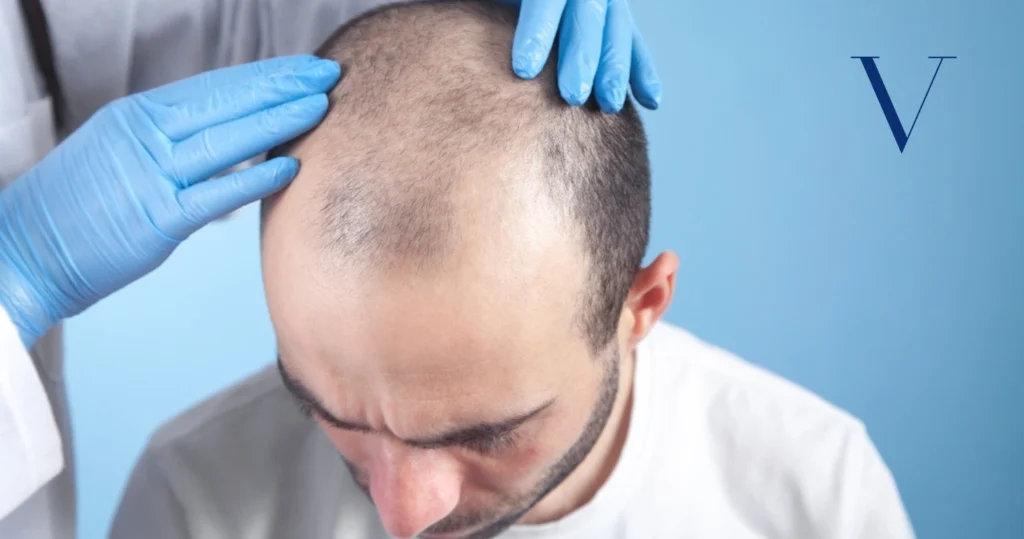
Each person’s hair transplant journey is unique, and it’s crucial to set realistic expectations. Immediately after surgery, the transplanted area may look fine or patchy, and full density may not be evident for several months. Over time, as hair follicles continue to grow, the results become more satisfying.
The Difference DHI Makes
Direct Hair Implantation (DHI) has become a popular technique compared to traditional Follicular Unit Extraction (FUE) or Follicular Unit Transplantation (FUT). DHI(Direct Hair Implantation) boasts quicker recovery times, a cleaner healing process, and more precise implantation of hair follicles. For some individuals, this could mean fewer sessions for optimal results, but every person’s needs will differ.
Crucial Aftercare
Aftercare plays a vital role in ensuring successful results from a hair transplant. Following the procedure, patients should:
- Avoid touching or scratching the transplanted area.
- Follow all prescribed medication regimens.
- Use gentle hair care products designed for post-transplant care.
- Minimize sun exposure.
- Attend follow-up consultations with your surgeon.
Proper aftercare helps prevent infections, scarring, and other complications that could affect hair growth.
What Are the Limits on Hair Transplants?
Although there’s no hard limit on the number of hair transplant sessions, several factors influence whether additional procedures are possible:
- Donor Area: The donor area (typically the back and sides of the scalp) has a finite number of healthy hair follicles. If the donor hair is exhausted or too thin, it may not be possible to perform another procedure.
- Hair Graft Limits: Over time, multiple sessions can cause scarring in the donor area, making it difficult to extract more follicles.
- Scalp Health: The overall health of the scalp plays a significant role in determining whether a person can undergo more sessions. Poor scalp conditions, such as infections or thinning skin, can limit the number of successful transplants.
What to Expect During Each Hair Transplant Session?
Hair restoration procedures typically involve a process where healthy hair follicles are taken from the donor area and implanted into thinning or bald spots. The most common techniques are:
- Follicular Unit Transplantation (FUT): This method involves removing a strip of hair-bearing skin from the donor area and dissecting it into individual follicular units for transplantation.
- Follicular Unit Extraction (FUE): FUE involves extracting individual hair follicles directly from the donor area and transplanting them.
- Direct Hair Implantation (DHI): DHI is a more advanced technique where hair follicles are implanted directly into the scalp using a specialized tool, minimizing the need for incisions.
Each procedure may require multiple sessions depending on the number of follicles needed and the patient’s desired outcome.
Final Thoughts
There’s no exact limit on the number of hair transplants a person can undergo, but it largely depends on the individual’s donor area, scalp health, and hair restoration goals. It’s crucial to consult with a qualified surgeon to determine the best course of action and to have realistic expectations throughout the hair transplant cycle. By maintaining proper aftercare and allowing ample time between sessions, you can achieve lasting and satisfying results.
If you’re considering a hair transplant or wondering how many sessions are right for you, consult with a professional today!
Frequently Asked Questions
1. Can I undergo multiple hair transplants?
Yes, you can undergo multiple sessions, but this depends on factors like donor hair availability and scalp health. A consultation with your surgeon will help determine the right number of sessions for you.
2. How soon can I have a second hair transplant?
It’s generally recommended to wait at least 6 to 12 months between sessions to ensure proper healing and the best results from the previous transplant.
3. Will a second hair transplant give me thicker hair?
A second procedure can help increase hair density if there is sufficient donor hair. However, results vary depending on individual conditions.
4. Are there any risks associated with multiple hair transplants?
Yes, risks include scarring, infection, and thinning of the donor area if too many sessions are performed.
5. How long will it take to see full results?
Full results from a hair transplant typically take 12 to 18 months to become visible, depending on the method used and the patient’s healing process.