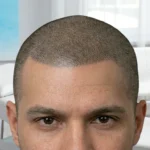
An unshaven hair transplant is often considered the best option for discreet hair restoration because it allows patients to undergo the procedure without shaving their heads, making the procedure far less noticeable. Techniques like non shaven FUE hair transplant enable surgeons to extract and implant grafts while preserving existing hair length. This approach is ideal for people who want natural hair restoration results without drawing attention to the procedure, although it may require more time, a higher cost, and experienced surgeons.
Is Unshaven Hair Transplant the Best Option for Discreet Hair Restoration?
How the Unshaven Hair Transplant Technique Works
An unshaven hair transplant is a specialised form of FUE (Follicular Unit Extraction) where the surgeon extracts individual hair follicles without shaving the patient’s entire head. Instead, small sections of the donor area may be trimmed or left completely untouched, depending on the approach.
During the procedure, surgeons carefully extract follicles using precision instruments and implant them into thinning or balding areas. Because the surrounding hair remains long, it naturally covers the newly implanted grafts.
Techniques such as FUE without shaving or no shave fue are designed to blend the transplanted area seamlessly with existing hair, minimising visible signs of surgery.
Difference Between Unshaven FUE and Traditional FUE
Traditional FUE usually requires shaving the donor area and sometimes the recipient area to make follicle extraction easier. In contrast, non shaven fue hair transplant techniques allow surgeons to work around existing hair length.
The main difference lies in visibility and convenience. A hair transplant without shaving the head keeps the patient’s hairstyle intact, whereas traditional methods may leave the scalp visibly shaved for several weeks.
Why Some Patients Prefer an Unshaven Procedure
Many patients choose a no shave hair transplant because it allows them to maintain privacy. The procedure is especially appealing for people who cannot take extended time off work or who want to avoid explaining their surgery to others.
Why Discretion Matters in Hair Restoration
Common Concerns About Visible Signs of Hair Transplant Surgery
A major concern among hair transplant patients is the visible appearance of shaved areas, redness, or scabs following surgery. These signs can make the procedure obvious, particularly during the first few weeks.
How Unshaven Hair Transplants Help Maintain Privacy
An unshaven hair transplant minimises visible evidence of surgery. The surrounding hair hides the recipient and donor areas, allowing the healing process to remain less noticeable.
This discretion is particularly valuable for professionals who interact with clients, executives who attend meetings, or individuals who simply prefer a private recovery.
Who Typically Chooses a Discreet Hair Restoration Method
People who commonly choose a hair transplant without shaving include:
- Corporate professionals
- Public figures and media personalities
- Individuals with long hairstyles
- Patients who want minimal lifestyle disruption
Benefits of an Unshaven Hair Transplant
1. Minimal Visible Signs After Surgery
One of the biggest advantages of an unshaven hair transplant is that it hides the surgical process. Existing hair covers the treated areas, making the procedure less noticeable.
2. Faster Return to Work and Social Activities
Because the scalp is not shaved, patients can often resume normal routines sooner than with traditional procedures.
3. Ability to Keep Your Existing Hairstyle
Patients undergoing shaveless FUE hair transplant can maintain their hairstyle throughout the process. This is particularly important for individuals with longer hair.
4. Reduced Emotional Stress During Recovery
Knowing that the procedure is not obvious to others helps reduce anxiety and emotional stress during recovery.
Potential Limitations of Unshaven Hair Transplants
| Limitations | Description |
| Longer Procedure Time | A non shaven fue hair transplant takes longer because surgeons must work around existing hair strands with precision. |
| Higher Cost Compared to Shaven Procedures | The unshaven hair transplant cost is typically higher because the procedure requires more time, expertise, and careful handling. |
| Limited Graft Numbers in Some Cases | Large-scale hair restoration may still require shaving to access more grafts efficiently. |
| Requires Highly Skilled Surgeons | Performing FUE without shaving is technically demanding and requires significant surgical expertise. |
Unshaven vs Shaven Hair Transplant: Which Is Better?
Differences in Procedure and Technique
Traditional FUE is faster and easier for surgeons because shaving provides full visibility of the scalp. However, no shave prioritises patient privacy and aesthetics.
Recovery and Healing Comparison
Both methods have similar healing timelines, but a hair transplant without shaving the head often appears less obvious during recovery.
Cost Differences
An unshaven hair transplant typically costs more than traditional FUE due to the complexity of the technique.
Results and Hair Density
In experienced hands, both procedures can produce natural and dense results.
Related, What is the Success Rate of FUE Hair Transplant?
Who Is the Best Candidate for an Unshaven Hair Transplant?
The best candidates for an unshaven hair transplant are individuals who want to restore their hair while keeping the procedure as discreet as possible. People with medium to long hair often benefit the most from a no shave hair transplant, as the existing hair can easily cover the donor and recipient areas during the healing process.
Patients experiencing mild to moderate hair loss are also ideal candidates because non shaven FUE hair transplant techniques are usually more suitable for smaller or moderate graft sessions. Additionally, individuals with busy lifestyles, such as professionals, business owners, or public-facing workers, often prefer a hair transplant without shaving since it allows them to maintain their normal appearance and return to daily activities with minimal noticeable signs of surgery.
What to Expect During the Unshaven Hair Transplant Procedure
Consultation and Planning
The process begins with a consultation where the surgeon evaluates hair loss patterns, donor density, and treatment goals.
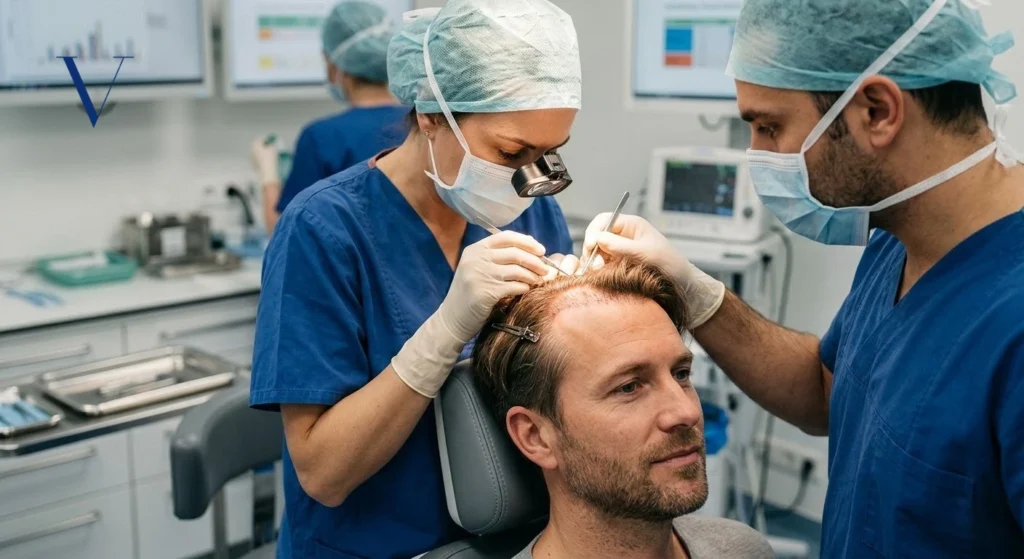
Graft Extraction and Implantation Process
During a shaveless FUE hair transplant, individual follicles are extracted and implanted while preserving surrounding hair.
Duration of the Procedure
Because of its precision, an unshaven hair transplant procedure can take several hours or even a full day, depending on the number of grafts.
Related, Experience Patient Care with Top-Quality FUE Hair Transplant in Islamabad
Recovery and Aftercare for Unshaven Hair Transplants
Recovery after an unshaven hair transplant is generally smooth, especially when patients follow proper aftercare guidelines. In the first few days after the procedure, mild redness, swelling, or small scabs may appear in the treated areas, which is a normal part of healing. However, because the surrounding hair remains intact in a hair transplant without shaving, these temporary signs are often less noticeable. Most patients are able to resume light daily activities within a few days, making this approach convenient for individuals who want minimal disruption to their routine.
To ensure optimal healing and protect the newly implanted grafts, patients should carefully follow their surgeon’s aftercare instructions, avoid touching or scratching the scalp, and protect the treated area from direct sunlight or excessive physical strain during the early recovery period.
How Natural Are the Results of an Unshaven Hair Transplant?
The results of an unshaven hair transplant can look very natural when the procedure is performed by an experienced surgeon using advanced techniques such as non shaven FUE or shaveless FUE hair transplant. Because the surrounding hair remains uncut, the transplanted grafts blend smoothly with existing hair, making the restoration appear more natural even during the early recovery phase.
New hair growth typically begins within three to four months after the procedure as the transplanted follicles enter their natural growth cycle. Over time, the hair gradually becomes thicker and denser, with final results usually visible within 9 to 12 months. The overall success and natural appearance of the results depend on several factors, including the surgeon’s expertise, the quality and density of the donor hair, proper graft placement, and how well the patient follows the recommended aftercare instructions.
Cost of an Unshaven Hair Transplant
Factors That Influence Pricing
The unshaven hair transplant cost depends on:
- Number of grafts
- Surgeon expertise
- Clinic location
- Procedure complexity
Why It May Cost More Than Traditional Methods
Because non shaven fue hair transplant procedures take more time and require specialised skills, they are generally more expensive.
Is the Additional Cost Worth It?
For patients prioritising privacy and convenience, the extra cost of a no shave hair transplant can be worthwhile.
Final Thoughts
An unshaven hair transplant is an excellent option for individuals who want discreet hair restoration without shaving their head. Techniques like no shave fue, fue without shaving, and hair transplant without shaving the head offer natural-looking results while allowing patients to maintain their normal appearance during recovery.
However, the procedure requires experienced surgeons, may take longer, and typically costs more than traditional methods. For patients who prioritise privacy and minimal lifestyle disruption, an unshaven hair transplant can be one of the most appealing modern hair restoration solutions.
Frequently Asked Questions
Is an unshaven hair transplant permanent?
Yes. Like traditional FUE procedures, transplanted hair follicles are typically permanent because they are resistant to hair loss.
Is a hair transplant without shaving safe?
Yes, when performed by experienced surgeons, hair transplants without shaving techniques are safe and effective.
How long does recovery take after a no shave hair transplant?
Most patients recover within 7–10 days, although complete hair growth takes several months.
Does an unshaven hair transplant leave scars?
Because the procedure uses FUE extraction, scarring is minimal and usually not visible.
How much does an unshaven hair transplant cost?
The unshaven hair transplant cost varies depending on the number of grafts, surgeon expertise, and clinic location, but it is generally higher than traditional FUE procedures.