Summary:
Are you considering FUE hair transplant but worried about potential pain after the procedure? This article dives deep into the common concerns surrounding pain levels, recovery time, and effective pain management strategies after an FUE hair transplant. We’ll explore what to expect during and after the procedure, share expert insights, and provide tips to make your recovery smoother. Read on for a pain-free path to hair restoration.
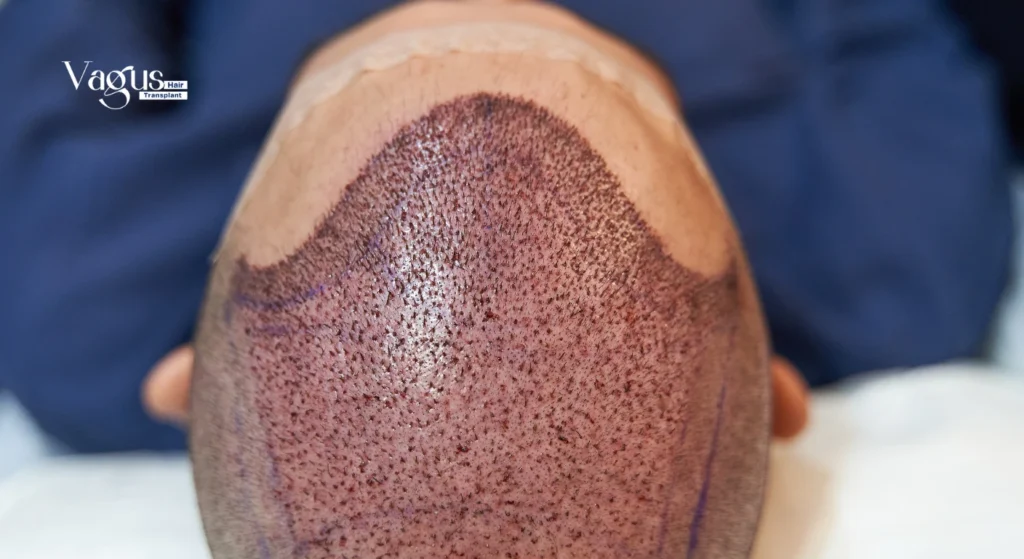
Introduction
If you’re considering FUE Hair Transplant for patchy hair loss, you’re likely wondering: Is there pain after FUE hair transplant? While FUE is known for being minimally invasive and causing minimal discomfort compared to older hair restoration techniques, understanding the pain levels and recovery process is crucial for a smooth healing experience. In this article, we’ll explain what pain you can expect during and after your FUE procedure, how to manage discomfort, and provide expert insights to help you through the recovery phase with confidence. Whether you’re planning your transplant or are in the recovery phase, this guide will answer your questions and ease your concerns.
Understanding FUE Hair Transplant and Post-Surgery Pain
What is an FUE Hair Transplant and How Does It Work?
Follicular Unit Extraction (FUE) is a modern hair restoration technique that extracts individual hair follicles from the donor area, typically the back or sides of the scalp, and transplants them into thinning or bald spots. Unlike older methods like FUT (Follicular Unit Transplantation), FUE does not involve removing a strip of skin, which significantly reduces scarring and recovery time.
This method is minimally invasive, with tiny punch incisions made to harvest individual follicles, which are then meticulously placed into areas with patchy or thinning hair. Because of its precision and minimal invasiveness, FUE is known for being a less painful option compared to traditional hair transplant procedures.
Why Pain Levels Vary After FUE Hair Transplants
Pain after FUE surgery largely depends on individual factors, such as pain tolerance, the extent of the transplant, and the skill of the surgeon. While FUE is generally less painful than FUT due to its minimal scarring, some discomfort is to be expected in both the donor and recipient areas. The healing process also plays a role, with the intensity of pain decreasing over time.
Other factors, such as the use of local anesthesia during the procedure, can also impact the pain experience. Most patients report feeling some soreness and tenderness in the first few days post-surgery, but this discomfort typically subsides within a week.
Post-FUE Hair Transplant Pain: What to Expect
The Immediate Pain After FUE Hair Transplant Procedure
The immediate aftermath of an FUE procedure involves minimal discomfort. During the procedure, local anesthesia is administered, which means you should not feel any pain. However, once the anesthesia starts wearing off, some mild discomfort may be felt, particularly in the donor area (where the hair follicles were taken from) and in the recipient areas (where the follicles were placed).
Expect mild to moderate pain that typically feels like a dull ache or a sensation of tightness. This usually lasts for the first 1-2 days. You may also experience slight swelling or bruising around the forehead or eyes, which is common and should subside within a few days.
How Much Pain is Expected After the Surgery?
Generally, pain after FUE is minimal, especially compared to traditional hair transplants. Most patients report discomfort as manageable, often likened to a mild headache or soreness after exercise. The pain is typically at its worst in the first 24 to 48 hours, with a noticeable reduction in intensity after the first few days.
Pain levels can vary, but on average, patients rate the discomfort from mild to moderate. The most common sensations reported include tightness in the scalp and tenderness in the transplanted and donor areas.
Healing Pain: When Does It Subside?
Healing pain from FUE typically starts to decrease after the first 2-3 days. By the end of the first week, most patients experience only minor discomfort, which may feel like mild itching or tingling. Full recovery usually occurs within 7-10 days, after which the pain should be completely gone. Any residual discomfort is generally mild and can be easily managed with over-the-counter painkillers.
Managing Pain After FUE Hair Transplant Surgery
Pain Management Strategies for a Smoother Recovery
The key to minimizing pain after an FUE transplant is following proper aftercare and taking appropriate pain management steps. Here are a few strategies:
- Pain Medication: Non-prescription pain relievers like ibuprofen or acetaminophen can help manage mild to moderate pain. For more intense discomfort, your surgeon may prescribe stronger medications.
- Ice Packs: Applying ice to the forehead and donor area can help reduce swelling and numb the pain.
- Rest: Ensure you take it easy for the first few days. Avoid strenuous activities that can aggravate the scalp or increase blood flow to the area.
The Role of Post-Operative Care in Minimizing Pain
Proper post-operative care is essential for reducing pain and promoting faster healing. Avoid touching or scratching the scalp in the first few days after the procedure to minimize irritation. Gentle shampooing and avoiding sun exposure are key to preventing unnecessary discomfort. Your surgeon will provide specific aftercare instructions to follow to prevent infection, which can prolong pain and recovery time.
FUE Hair Transplant Recovery and Pain Relief
Recovery Timeline: What to Expect at Each Stage
The recovery process following an FUE transplant typically follows this timeline:
- First 1-2 Days: Mild to moderate pain with swelling and tenderness in both the donor and recipient areas.
- Days 3-5: Pain subsides, but swelling and tenderness may persist. The scabs begin to form.
- Days 6-10: Most discomfort disappears. You may experience mild itching as the scalp heals.
- 1-2 Weeks: Scabs fall off, and the scalp feels normal. Hair shedding occurs, but it’s part of the natural healing process.
How Long Before Pain Completely Subsides?
Pain generally fades completely within 1-2 weeks. Most people are able to return to work and resume normal activities after the first week. Full hair regrowth will take several months, but by this time, the pain will have fully subsided.
What Can You Do to Help Your Recovery?
Several steps can aid in faster recovery, including:
- Avoiding Smoking and Alcohol: Both can interfere with healing.
- Sleeping in an Elevated Position: Helps reduce swelling in the scalp.
- Wearing a Soft Hat: For protection during the first few days.
Potential Side Effects and Long-Term Discomfort

Side Effects of FUE Hair Transplants Beyond Pain
Aside from mild discomfort, side effects from FUE hair transplants are rare but can include:
- Numbness or tingling in the donor or recipient areas, which usually resolves within a few weeks.
- Swelling around the forehead or eyes.
- Redness or scabbing in the transplant areas, which naturally falls off after a few days.
When Should You Be Concerned About Pain After FUE?
While some discomfort is normal, excessive pain, unusual swelling, or signs of infection (such as pus or fever) should be addressed immediately. If you experience any of these symptoms, contact your surgeon right away.
Expert Opinions on FUE Hair Transplant Pain and Recovery
What Do Surgeons Say About FUE Pain Levels?
Leading hair restoration specialists emphasize that FUE is one of the least painful hair transplant methods available. Most patients report very manageable pain during recovery, with minimal scarring and a faster recovery time compared to other techniques.
Real Patient Experiences: Managing FUE Post-Surgery Pain
Many patients report feeling only mild discomfort after their FUE procedure. Some have described the sensation as similar to a sunburn or mild scalp irritation. Patient testimonials often mention how effective the post-surgery pain management strategies are and how they were able to return to daily activities quickly.
Frequently Asked Questions
How much pain should I expect after an FUE transplant?
Most patients report mild to moderate discomfort after FUE, with pain subsiding within a few days. The discomfort is manageable with pain medication.
Can I resume normal activities right after the FUE procedure?
While you can generally return to work after 2-3 days, strenuous activities should be avoided for at least a week.
What are the best pain relief options after FUE?
Over-the-counter painkillers like ibuprofen are effective, and ice packs can help reduce swelling. Following your surgeon’s aftercare instructions is crucial.
How soon will I see visible results after my FUE transplant?
Results typically start to show after 3-6 months, with full regrowth visible within 9-12 months.
Conclusion: Pain Management and Successful FUE Hair Transplants
FUE hair transplants are an effective and minimally painful way to restore hair. With proper post-surgery care and pain management, you can minimize discomfort and achieve natural-looking results. The recovery process is relatively quick, with most patients experiencing only mild discomfort in the first few days. Remember, following your surgeon’s instructions and managing pain effectively are key to a smooth recovery.
Call to Action:
If you’re considering FUE hair transplant and want to learn more about the procedure and pain management, schedule a free consultation with our expert surgeons. Get personalized insights and begin your journey toward fuller, thicker hair!