Summary:
Struggling with patchy hair loss? FUE hair transplant could be the permanent, effective solution you’re seeking.FUE Hair Transplant for Patchy Hair Loss? This article explores how FUE restores hair density in thinning spots, the step-by-step procedure, recovery timeline, and the benefits of this cutting-edge treatment.
Introduction:
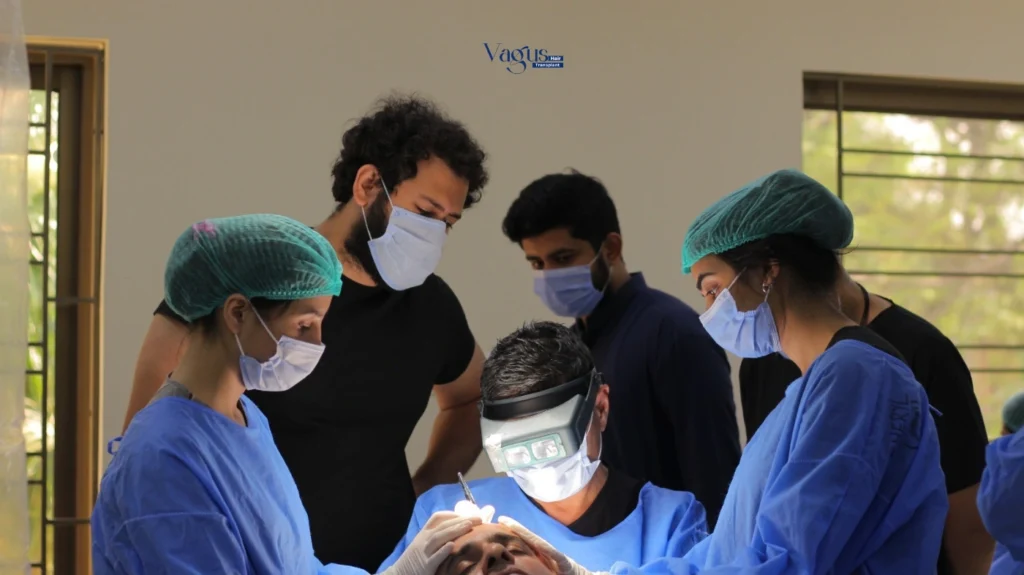
If you’re struggling with patchy hair loss and looking for a permanent solution, FUE Hair Transplant for Patchy Hair Loss could be the breakthrough you’ve been waiting for. This procedure involves extracting individual hair follicles from areas of the scalp with healthy hair and implanting them into thinning or bald spots. It offers a minimally invasive solution to restore natural, fuller-looking hair with minimal scarring and quick recovery times. By the end of this article, you’ll gain valuable insights into the benefits, process, and post-transplant care to help you make an informed decision on restoring your hair and confidence.
What is FUE Hair Transplant and How Does It Work?
Understanding Follicular Unit Extraction (FUE) for Thinning Hair
Follicular Unit Extraction (FUE) is one of the most advanced techniques for hair restoration, particularly for patchy hair loss. Unlike traditional hair transplant methods, which involve removing larger sections of skin, FUE extracts individual hair follicles from the donor area and places them into the recipient site, typically areas experiencing thinning or bald patches. This technique ensures minimal discomfort and provides a more natural hairline compared to older methods. The key advantage is that it doesn’t leave a linear scar, making it ideal for those looking for discreet results.
Key Advantages of FUE Over Traditional Hair Transplant Methods
The primary advantages of FUE over older techniques like Follicular Unit Transplantation (FUT) include:
- Minimal Scarring: FUE leaves tiny, dot-like scars that are hardly noticeable.
- Faster Recovery: Unlike FUT, which requires a long recovery time due to larger incisions, FUE involves quicker healing with less downtime.
- More Natural Results: The precision of FUE allows for more accurate hair follicle placement, ensuring a smoother transition between existing hair and transplanted follicles.
Why FUE is the Best Treatment for Patchy Hair Loss
Benefits of FUE Hair Transplant for Patchy Scalp
FUE is especially effective for those with patchy hair loss, as it targets individual areas of thinning hair. The procedure allows for precise follicle placement, offering fuller coverage where it’s needed most. Whether it’s small patches on the crown, receding temples, or even areas where hairlines are uneven, FUE can help restore a natural look. With fewer side effects and quicker recovery, it’s an excellent choice for people with localized hair thinning.
Effectiveness of FUE for Patchy Baldness
Clinical studies and patient experiences consistently show that FUE provides long-lasting results for patchy baldness. The procedure typically yields 95-98% of the transplanted follicles successfully growing new hair. Notably, the results look natural, blending seamlessly with the patient’s existing hair. With proper aftercare, many patients enjoy permanent results that continue to grow and improve over time.
FUE Hair Transplant Procedure Step by Step
Pre-Surgery Preparation for Patchy Hair Loss
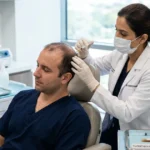
Before undergoing an FUE transplant, you’ll first undergo a consultation with an experienced surgeon. During this consultation, your hair pattern, scalp condition, and overall health will be assessed to determine the best course of action. You’ll also receive instructions on pre-surgery care, which may include avoiding alcohol or blood thinners to reduce the risk of complications.
The FUE Process: From Harvesting to Transplanting
- Harvesting: The surgeon will use a specialized instrument to remove individual hair follicles from the donor area, typically located at the back or sides of the scalp. The donor area is usually chosen for its healthy hair growth.
- Placement: The extracted follicles are then meticulously placed into the thinning or balding areas of the scalp. This process ensures that the follicles are oriented in the same direction as the natural hair, giving a realistic result.
- Post-Surgery Care: After the procedure, you will be given specific guidelines to follow to protect the newly transplanted follicles, including medications for swelling and pain relief.
Post-Surgery Care and What to Expect
Recovery after an FUE transplant is typically swift. Most patients return to normal activities within 2-3 days. However, it’s important to avoid direct sun exposure and strenuous activities for a few weeks. The initial healing period lasts about 7-10 days, after which you’ll start to notice new hair growth in the transplanted areas.
Best Treatments for Patchy Hair Thinning
Combining FUE with Other Treatment Options
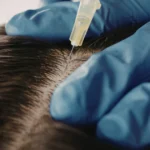
While FUE offers effective results on its own, many patients choose to combine the procedure with additional treatments for enhanced outcomes. Platelet-Rich Plasma (PRP) therapy, for example, can promote faster hair growth by injecting your own platelets into the scalp, boosting the health of your hair follicles.
Non-Surgical Solutions for Patchy Hair Loss
For those looking for less invasive solutions, options like topical treatments and low-level laser therapy can help stimulate hair growth in patchy areas. These solutions may be recommended as maintenance or complement to FUE for optimal results.
How FUE Helps Regrow Hair in Patchy Areas
Targeted Hair Follicle Placement for Better Density
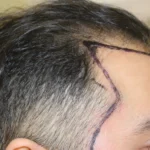
With FUE, surgeons can target specific patches of hair loss, implanting healthy follicles directly into thinning or bald spots. The precision of this method results in a natural-looking, fuller head of hair. This is especially beneficial for those with uneven hair growth or small bald patches.
The Role of Healthy Donor Hair in Patchy Baldness Treatment
A key factor in FUE’s success is the quality of the donor hair. Donor follicles are selected based on their strength and ability to thrive in a new area. Healthy hair from the donor region is vital for the transplant’s success, ensuring that the follicles grow naturally in their new location.
Treatment for Patchy Bald Spots Using FUE
How FUE Can Fill In Patchy Hair Loss Areas
FUE provides an ideal solution for treating patchy bald spots by extracting and transplanting individual follicles into areas that have thinned or balded. This method allows for precise follicle placement and can cover areas like receding hairlines, thinning crowns, and patchy beard growth.
Long-Term Results of FUE for Patchy Hair
The results of FUE hair transplants are typically long-lasting, with many patients seeing visible improvements within 3-6 months. As the transplanted hair grows, it blends seamlessly with existing hair, providing a fuller, natural look. These results are permanent with proper aftercare.
Scalp Micropigmentation vs. FUE for Patchy Hair Areas

When to Choose Scalp Micropigmentation Over FUE
Scalp Micropigmentation (SMP) is another option for patchy hair loss, though it differs from FUE in that it creates the illusion of fuller hair by tattooing the scalp. While SMP is effective for concealing bald spots, it does not promote hair growth like FUE does. It’s an excellent option for those who prefer a non-surgical, temporary solution.
How FUE Transplants Complement Scalp Micropigmentation
For some patients, combining both FUE and SMP offers the best of both worlds. FUE restores hair growth, while SMP can fill in any remaining sparse areas, creating a thicker, more voluminous look.
FUE for Alopecia Areata and Other Patchy Hair Loss Conditions
FUE as a Treatment Option for Alopecia Areata
Alopecia Areata, an autoimmune disorder causing patchy hair loss, is another condition that FUE can help treat. This condition typically results in smooth, round patches of baldness. FUE has shown promising results in restoring hair in patients with alopecia, offering long-term regrowth where other treatments might not.
Other Medical Conditions and Patchy Hair Loss
FUE is also effective in treating patchy hair loss caused by conditions like male and female pattern baldness, trauma, and stress-induced shedding. Since FUE works by transplanting healthy follicles, it can be a solution for nearly every form of patchy hair loss.
Recovery and Aftercare: What to Expect After FUE
Timeline of Recovery Post-FUE Hair Transplant
The recovery process after an FUE transplant typically spans 7-10 days for initial healing. Full regrowth can take anywhere from 6-12 months, depending on individual hair growth patterns. You’ll start seeing visible results within 3-6 months as the hair follicles begin to grow.
Dos and Don’ts After FUE for Patchy Hair Loss
To ensure the best results, it’s important to follow post-surgery instructions, including gentle washing of the hair, avoiding sun exposure, and refraining from strenuous activities.
Frequently Asked Questions
How much does FUE cost for patchy hair loss?
The cost of FUE depends on various factors such as the clinic, the number of grafts needed, and the complexity of the procedure. On average, FUE costs between $4,000 to $15,000.
Is FUE suitable for all types of patchy hair loss?
FUE is suitable for most cases of patchy hair loss, including those caused by alopecia, trauma, and male/female pattern baldness.
What are the side effects of FUE hair transplant?
Side effects are typically minimal but may include swelling, slight discomfort, and redness in the donor and recipient areas, which usually subside within a few days.
How soon can I expect results from FUE?
Initial results can be seen within 3-6 months, with full results taking up to a year. The newly transplanted hair will continue to grow and thicken over time.
Conclusion: Why FUE is the Solution for Patchy Hair Loss
FUE hair transplant is a revolutionary treatment for patchy hair loss, offering a permanent, natural-looking solution for thinning areas. With minimal scarring, quick recovery, and proven long-term results, it is one of the most effective options for restoring your hair and confidence.
Book Your Free Consultation Today!
If you’re ready to regain your confidence and restore your hair with an FUE hair transplant, schedule a free consultation with our experienced surgeons today. Get a personalized treatment plan designed to address your specific patchy hair loss concerns.