The difference between DHI and KEEP implanter lies mainly in the tool design, implantation technique, and surgeon control during hair graft placement. DHI (Direct Hair Implantation) uses a specialised DHI implanter pen to extract and implant grafts directly into the scalp without creating prior incisions. In contrast, the KEEP implanter (Koray Erdogan Embedding Placer) is an advanced implantation tool designed to improve graft handling, precision, and graft survival by protecting follicles during placement.
While both methods aim to deliver natural-looking hair restoration, the KEEP implanter offers enhanced control and follicle protection, whereas DHI focuses on direct implantation efficiency and density. The choice between them usually depends on the surgeon’s expertise, hair loss pattern, and the patient’s hair restoration goals.
Understanding Modern Hair Transplant Techniques
Modern hair restoration focuses on precision, graft survival, and natural-looking results. Techniques such as Direct Hair Implantation (DHI) and the Koray Erdogan Embedding Placer (KEEP implanter) represent advanced implantation technologies designed to improve outcomes.
Both techniques aim to:
- Reduce trauma to hair follicles
- Improve graft survival rates
- Allow precise hairline design
- Achieve higher density and natural growth patterns
However, their implantation tools and surgical workflow differ significantly.
What Is the DHI Hair Transplant Method?
How the DHI Technique Works
Direct Hair Implantation (DHI) is a modern hair transplant technique that allows surgeons to extract hair follicles and implant them directly into the scalp using a specialised implanter pen.
Unlike traditional FUE methods that require making channels before implantation, DHI implants grafts directly without pre-creating incisions.
The process typically includes:
- Extraction of follicular units from the donor area
- Loading the graft into the DHI implanter pen
- Direct placement of the graft into the recipient area
This process helps control the depth, direction, and angle of the implanted hair.
What Is a DHI Implant Pen?
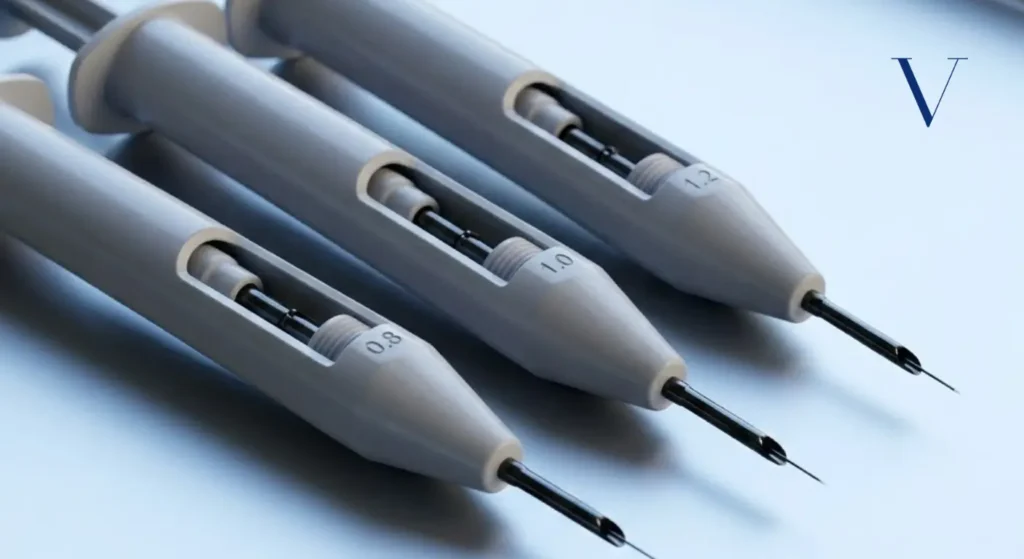
The DHI Implanter Pen is a specialised surgical tool used to implant hair grafts directly into the scalp.
It consists of:
- A hollow needle tip
- A graft loading chamber
- A plunger mechanism for implantation
The surgeon inserts the pen into the scalp and presses the plunger to implant the follicle in one step.
Key Benefits of DHI Hair Transplant
Some major advantages of the DHI technique include:
- Precise control over graft direction and angle
- Higher density implantation in targeted areas
- Minimal bleeding and trauma
- Faster recovery compared to traditional methods
- Natural-looking hairline design
Who Is an Ideal Candidate for DHI?
DHI is typically recommended for patients who:
- Have early to moderate hair loss
- Want high-density hair transplantation
- Require precise hairline restoration
- Prefer a minimally invasive procedure
Related, What is the Difference Between DHI and FUE Hair Transplant?
What Is the KEEP Implant Technique?
How the KEEP Implanter Works in Hair Transplant
The KEEP implanter (Koray Erdogan Embedding Placer) is an advanced hair implantation tool designed to improve graft handling and protection during transplantation.
Instead of exposing grafts during implantation, the KEEP implanter protects the follicle inside a special chamber, reducing the risk of damage.
The process includes:
- Extraction of hair follicles from the donor area
- Placement of grafts into the KEEP implanter device
- Implantation into recipient sites with controlled depth
Design and Technology Behind the KEEP Implanter
The Koray Erdogan Embedding Placer was designed to address common graft handling issues.
Key design features include:
- A protective chamber for grafts
- Controlled implantation depth
- Minimal graft exposure
- Reduced follicle manipulation
These features help maintain graft integrity and survival rates.
Benefits of the KEEP Implant Method
Some benefits of the KEEP implant technique include:
- Better graft protection during implantation
- Improved graft survival rate
- More controlled implantation process
- Reduced trauma to follicles
- Consistent placement depth
When Do Surgeons Prefer the KEEP Implanters?
Surgeons may prefer the KEEP implanter when:
- Performing large graft sessions
- Working on high-density implantation
- Prioritising maximum graft survival
- Handling delicate follicular grafts
Key Differences Between DHI and KEEP Implanters
| Comparison Factor | DHI (Direct Hair Implantation) | KEEP Implanter (Koray Erdogan Embedding Placer) |
| Implantation Technique | Hair grafts are implanted directly into the scalp using a DHI implanter pen without pre-made channels. | Uses controlled implantation where grafts are placed with additional protection and stability. |
| Procedure Process | Extraction → graft loading → direct implantation using the DHI pen. | Extraction → channel creation → graft implantation using the KEEP implanter device. |
| Implantation Method | Direct placement of grafts. | Controlled and stabilised implantation. |
| Tool Used | DHI Implant Pen. | KEEP Implanter (Koray Erdogan Embedding Placer). |
| Technology Design | Pen simultaneously creates the channel and implants the graft. | An advanced device with a protective chamber that shields follicles during placement. |
| Channel Creation | Not required because implantation and channel creation happen simultaneously. | Usually requires pre-created channels before implantation. |
| Graft Protection | Moderate graft protection; grafts must be handled carefully during loading. | Higher graft protection due to stabilising device design. |
| Graft Handling & Survival Rate | Graft survival when performed by experienced surgeons, but results depend heavily on the surgeon’s skill. | Designed to improve graft handling and potentially increase follicle survival by minimising trauma. |
| Precision & Hairline Design | Excellent control over hair angle, direction, and depth, making it ideal for detailed hairline design. | Provides consistent graft placement and improved follicle stability during implantation. |
| Surgeon Control During Implantation | Surgeon controls implantation depth, hair direction, and angle directly through the implanter pen. | Surgeons benefit from enhanced graft stability and controlled implantation depth. |
| Implantation Speed | Slightly slower because it prioritises precision and careful graft placement. | May allow faster implantation during large graft sessions. |
| Hair Density & Natural Results | Allows high-density implantation with precise placement for natural-looking hairlines. | Also produces natural results when performed with proper surgical planning. |
| Healing Time & Recovery | Initial healing typically takes 7–14 days, depending on the patient’s condition and procedure size. | Healing time is generally similar, also around 7–14 days. |
| Procedure Focus | Focuses on direct implantation and precision hairline design. | Focuses on graft protection and implantation stability. |
| Cost | May sometimes be slightly more expensive due to specialised tools and precision technique. | Cost varies but may be slightly lower depending on the clinic and procedure. |
| Cost Influencing Factors | The number of grafts, clinic expertise, surgeon reputation, and clinic location affect pricing. | The same factors influence cost, including graft count, surgeon expertise, and clinic reputation. |
The difference between DHI and the KEEP implanters lies in the implantation method and tool design. DHI uses an implanter pen for direct graft placement without creating channels, while the KEEP implanter focuses on protecting hair follicles and stabilising graft placement during implantation.
Which Hair Transplant Technique Is Better: DHI or KEEP Implanter?
Factors That Influence the Best Choice
Choosing between the KEEP Implanter and DHI largely depends on several important factors related to the patient’s hair condition and the treatment goals. The severity of hair loss plays a major role in determining which technique may be more suitable. Patients with early hair thinning may benefit from precise implantation methods like DHI, while individuals requiring larger graft sessions might be better suited for techniques that allow efficient graft placement.
Another important factor is donor hair density, as the availability and quality of donor follicles influence how effectively the surgeon can achieve natural coverage. Additionally, the desired hairline design also affects the choice of technique, since certain implantation tools provide greater control over the angle, direction, and density of hair placement.
Surgeon Expertise and Technique
When comparing DHI vs KEEP implanters, the expertise of the surgeon often matters more than the specific tool being used. A skilled and experienced hair transplant specialist understands how to handle grafts properly, control implantation depth, and design a natural-looking hairline regardless of the technique.
Both DHI and KEEP implantation techniques can produce excellent and natural results when performed by trained professionals. Ultimately, the surgeon’s experience, precision, and understanding of hair growth patterns play a crucial role in determining the success of the hair transplant procedure.
Patient Hair Type and Hair Loss Pattern
Certain hair characteristics may influence the method used:
- Curly hair types may require specific implantation angles
- Larger graft sessions may benefit from the KEEP implanter
- Hairline restoration may favour DHI precision
Related, What is the Key Difference Between DHI and Hybrid-by-Design?
Advantages and Limitations of Each Technique
| Techniques | Advantages | Limitations |
| DHI | Direct implantation | Requires a highly skilled surgical team |
| High placement accuracy | Can be slower for large sessions | |
| Excellent for hairline design | ||
| KEEP Implanter | Better graft protection | Requires pre-created channels |
| Higher efficiency in large procedures | Not available in all clinics | |
| Consistent implantation depth |
How to Choose the Right Hair Transplant Technique
Consultation with a Hair Transplant Specialist
A professional consultation with a qualified hair transplant specialist allows for a detailed assessment of your scalp, hair loss pattern, and donor hair quality. During this evaluation, the surgeon can recommend whether DHI or the KEEP implantation technique is more suitable for achieving natural and long-lasting hair restoration results.
Evaluating Hair Density and Donor Area
Doctors evaluate:
- Donor hair strength
- Hair thickness
- Scalp condition
Expected Results and Long-Term Outcomes
Both DHI and KEEP implant procedures aim to provide natural-looking, dense, and long-lasting hair restoration. When performed correctly, transplanted hair follicles continue to grow naturally over time, blending with existing hair and delivering permanent results that improve overall hair coverage and appearance.
Final Thoughts
Understanding the difference between DHI and KEEP implanters helps patients make informed decisions about hair transplantation. Both techniques represent advanced implantation technologies designed to improve precision, graft survival, and overall results.
While DHI focuses on direct implantation using a specialised pen, the KEEP implanter enhances graft protection and controlled placement. The best method ultimately depends on the surgeon’s expertise and the patient’s hair restoration needs.
Frequently Asked Questions
What is the main difference between DHI and KEEP implanters?
The main difference is that DHI uses a direct implantation pen, while the KEEP implanter focuses on graft protection and controlled placement during implantation.
Is the KEEP implant better than DHI?
Not necessarily. Both methods can deliver excellent results depending on the surgeon’s experience and the patient’s hair characteristics.
Which technique gives higher graft survival?
The KEEP implanter is designed to protect follicles during implantation, which may help improve graft survival rates.
Does DHI provide more natural results?
DHI allows very precise hair angle and direction control, which helps create natural-looking hairlines.
Which method heals faster: DHI or KEEP implanter?
Healing time is generally similar for both procedures, usually around 1–2 weeks for initial recovery.