Summary:
In this comprehensive guide, we cover everything you need to know about Follicular Unit Extraction (FUE) hair transplants. From understanding the procedure to recovery times, benefits, and costs, we provide detailed insights on how FUE works, its advantages over other methods, and why it’s one of the best hair restoration options available today. The Secrets of FUE Hair Transplant? If you’re considering a hair transplant, this post will help you understand the process and make an informed decision.

Introduction
Are you considering a hair transplant but unsure about the procedure? One of the most effective and minimally invasive hair restoration techniques is Follicular Unit Extraction, or FUE. But what exactly is FUE hair transplant? This method involves extracting individual hair follicles and transplanting them to areas with thinning or no hair. In this article, we will explain how FUE works, its benefits, the cost, recovery timeline, and how it compares to other methods like FUT (Follicular Unit Transplant). By the end of this post, you’ll have a clear understanding of the procedure and whether it’s the right choice for you.
What is FUE Hair Transplant?
Explanation of FUE
Follicular Unit Extraction (FUE) is a modern hair transplant technique that involves removing individual hair follicles from a donor area (typically the back of the head) and transplanting them into areas with hair thinning or baldness. Unlike older methods such as FUT, which involve removing a strip of skin, FUE is minimally invasive, leaves tiny, almost invisible scars, and results in a quicker recovery time.
How It Differs from Other Methods
FUE differs from Follicular Unit Transplantation (FUT) in how the hair follicles are extracted. While FUT involves removing a strip of scalp and then dissecting it into follicular units, FUE uses a micro-punch tool to extract individual follicles. This results in less scarring and no need for stitches, making FUE a popular option for people looking for a less invasive procedure.
FUE Hair Restoration Procedure
Step-by-Step Process
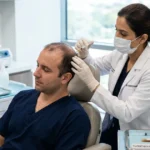
- Consultation: The first step is a consultation with a surgeon to assess whether you’re a good candidate for FUE. During this consultation, the surgeon will examine your scalp, hair density, and general health.
- Preparation: On the day of the surgery, local anesthesia is applied to the donor area and recipient site to ensure the procedure is painless.
- Follicle Extraction: Using a tiny punch tool, the surgeon extracts hair follicles from the donor area. The follicles are then carefully stored in a special solution to keep them viable.
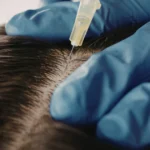
- Implantation: The follicles are then placed into the thinning or bald areas. The surgeon makes small incisions and implants each follicle in the direction of natural hair growth.
- Recovery: After the procedure, patients are given post-operative instructions to ensure the best healing process.
Anesthesia and Pain Management
FUE hair transplants are typically performed under local anesthesia, so you’ll be awake but won’t feel any pain during the procedure. The use of local anesthesia ensures that the patient remains comfortable throughout the process, which can take several hours.
Duration of the Surgery
The duration of the surgery depends on how many grafts are needed. A typical FUE procedure can take anywhere from 4 to 8 hours, and larger sessions may require multiple sittings.
Follicular Unit Extraction Process
Hair Follicle Extraction
The process of follicle extraction in FUE is highly precise. The surgeon uses a small, circular tool to extract individual follicular units from the donor area. This tool is less invasive than traditional strip harvesting and leaves tiny, dot-like scars that are difficult to see.
Hair Graft Preparation
Once the follicles are extracted, they are carefully prepared for transplantation. The follicles are kept in a special solution to maintain their viability until they are implanted in the recipient area.
Implantation
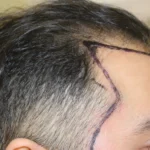
The next step is to create tiny incisions in the recipient area, which are strategically placed to ensure natural hair growth. The prepared follicles are then carefully implanted in these incisions.
FUE Hair Transplant Benefits
Minimally Invasive
One of the biggest advantages of FUE is that it’s a minimally invasive procedure. The small, punch-sized incisions used to extract hair follicles result in minimal scarring, and there is no need for stitches. This makes FUE a more attractive option for people who want to avoid visible scarring.
Faster Recovery Time
Since FUE is less invasive than FUT, the recovery time is much quicker. Most patients can return to work within a few days, and the hair transplant area heals in about 7-10 days.
Natural Results
FUE provides very natural-looking results, as the hair follicles are carefully placed in the same direction as the existing hair. This ensures that the new hair integrates seamlessly with the natural growth.
Minimal Scarring
Unlike FUT, which leaves a linear scar, FUE leaves tiny dot-like scars that are nearly invisible. These scars fade over time, making it easier for patients to wear short hairstyles without worrying about visible scarring.
How FUE Hair Transplant Works
FUE works by extracting hair follicles from a donor area (usually the back or sides of the scalp, where hair growth is denser) and transplanting them to a bald or thinning area. The follicles are extracted using a small, circular punch tool that creates minimal damage to surrounding tissues. Once removed, the follicles are then implanted into tiny incisions made in the recipient site. This process is highly effective in restoring hair density and improving the overall appearance of thinning or bald areas.
FUE vs FUT Hair Transplant
Key Differences
- FUE (Follicular Unit Extraction): Involves extracting individual hair follicles with a punch tool. It results in minimal scarring and a quicker recovery time.
- FUT (Follicular Unit Transplantation): Involves removing a strip of scalp from the donor area, which requires stitches and leaves a linear scar. The recovery time for FUT is typically longer than for FUE.
When to Choose FUE Over FUT
FUE is recommended for individuals who prefer a less invasive procedure with minimal scarring. It’s also ideal for people who want to wear short hairstyles, as the tiny scars are less noticeable. FUT may be recommended if a larger number of grafts are required, but it’s a more invasive procedure.
FUE Hair Transplant Cost
Factors Affecting Cost
The cost of an FUE hair transplant can vary depending on factors like the clinic’s location, the surgeon’s experience, and the number of grafts required. On average, the cost for FUE can range from $3,000 to $15,000.
Average Cost Range
For most patients, the cost will fall between $4,000 and $10,000. Larger sessions or more complex procedures can cost upwards of $15,000.
Is It Worth the Investment?
While FUE is a higher upfront cost compared to other methods, the natural results and minimal scarring make it a worthwhile investment for many patients. Additionally, the long-term benefits often outweigh the initial cost.
FUE Hair Transplant Recovery
Recovery Timeline
After the procedure, most patients experience minimal downtime. The scalp may be tender for the first few days, but most of the discomfort will subside after a week. Full recovery typically takes about 7-10 days, with hair growth visible after 3 to 4 months.
Pain and Discomfort
The pain during recovery is usually minimal, as the procedure is performed under local anesthesia. Any post-op discomfort can be managed with over-the-counter pain medications prescribed by the surgeon.
Post-Operative Care
Proper care is essential for optimal results. This includes using prescribed shampoos, avoiding direct sun exposure, and following the surgeon’s instructions for the first few weeks after surgery.
Best Candidates for FUE Hair Transplant

Who Is a Good Candidate?
The best candidates for FUE are those with male or female pattern baldness, who have a healthy scalp and enough donor hair. Candidates should also be in good overall health and have realistic expectations about the results.
Can Women Have FUE?
Yes, FUE is a popular option for women, especially those experiencing thinning hair or female pattern baldness. Women benefit from the minimally invasive nature of FUE and its natural results.
FUE Hair Transplant Results
Expected Outcomes
Most patients begin to see visible hair growth within 3-4 months after the procedure, with fuller results appearing by the 12-month mark. The results are permanent, with transplanted hair growing just like the patient’s natural hair.
Long-Term Success
FUE hair transplants typically offer long-lasting results, with hair continuing to grow for years. The transplanted hair is resistant to the hormone DHT, which causes hair loss.
FUE Hair Transplant Side Effects
Potential Risks
While FUE is generally safe, there are risks associated with any surgical procedure, including infection, bleeding, and scarring. These side effects are rare and can be minimized by choosing an experienced surgeon.
Managing Side Effects
To minimize side effects, follow post-operative care instructions, including using prescribed medications and avoiding sun exposure.
Frequently Asked Questions
How long does an FUE hair transplant last?
FUE results are permanent, and the transplanted hair will continue to grow for the rest of your life.
Is FUE better than FUT for women?
Yes, FUE is generally a better option for women due to the minimal scarring and natural results.
What is the recovery time for FUE?
Most patients can return to work in 2-3 days, with full recovery taking about 7-10 days.
How much does an FUE hair transplant cost?
The cost varies depending on factors like the clinic and the number of grafts, but it typically ranges from $4,000 to $15,000.
Conclusion
FUE hair transplants offer a highly effective solution for hair restoration, with minimal scarring and faster recovery compared to other methods like FUT. Whether you’re struggling with male or female pattern baldness, FUE can provide permanent, natural-looking results. By understanding the procedure, costs, and recovery process, you can make an informed decision about whether FUE is the right choice for you.
Ready To Take Your Next Step
Ready to regain your hair and confidence? Book a Free Consultation with Our Experts today and take the first step towards fuller, healthier hair with FUE!